Water filtration for Raleigh homes: when a softener helps, when it does not, and what to install
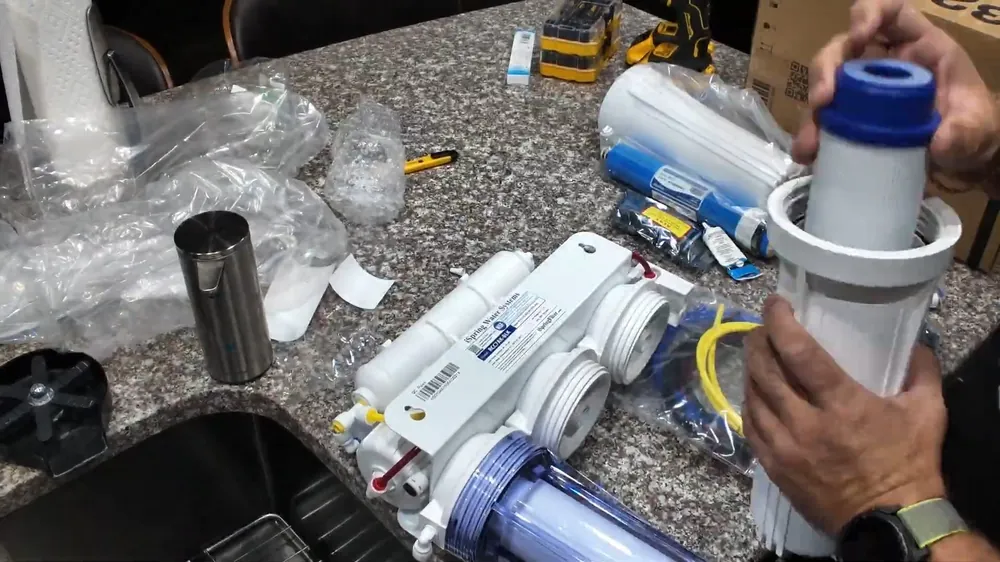
Water treatment equipment changes what comes out of the tap: a softener removes hardness minerals, a carbon filter targets taste and odor, and reverse osmosis polishes drinking water. Raleigh homes on City water need less of the first and sometimes more of the others, so the right choice starts with the goal and a look at the local water.
- Licensed and insured plumbers
- Same-day service when available
- 24/7 emergency dispatch
Whole-house water filtration, starting from Raleigh's city water
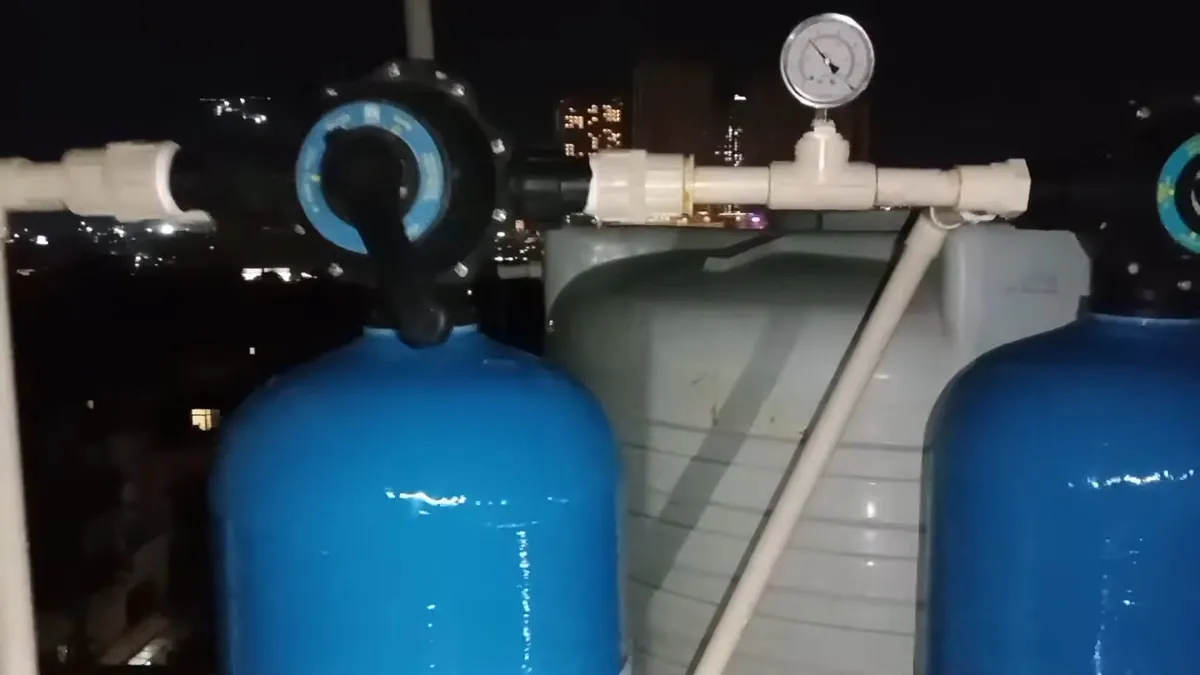
Most Raleigh drinking water comes from Falls Lake and is treated at the E.M. Johnson plant, with Lake Benson as the secondary source treated at the Dempsey E. Benton plant, according to the City. Because the water is already treated before it reaches the meter, a whole-house filter is not a rescue for dirty water. It is aimed at sediment from aging pipes, a chlorine or chloramine taste, or a problem specific to your house.
Raleigh Water has referred to chloramine disinfection in its customer newsletters, so ask any installer to show that a carbon filter is rated for chloramine and not only for chlorine. Size matters too: a filter housing that is too small restricts flow to the whole house, and a plumber checks pressure before and after the install. Raleigh Water also publishes an annual water quality report, a good place to start before spending anything.
Do Raleigh homes need a water softener?
The City reports an average hardness of 1.47 grains per gallon, and its consumer alert page on water service solicitations says Raleigh water is soft and should not require a softener. That is a primary source, and it matters, because door-to-door and phone pitches for softeners sometimes assume hard water. A homeowner who hears such a pitch should ask for a hardness reading taken at their own tap.
Hard water signs include crusty deposits on faucets, a film on glass, soap that will not lather and reduced flow in old pipes. In a house on City water those signs are worth testing rather than assuming. A water heater with sediment, an old fixture or a well can produce similar symptoms, and the repairing a water heater page covers flushing and sediment problems.
| Goal | Equipment that fits | Raleigh note |
|---|---|---|
| Reduce hardness minerals | Salt-based softener | City average is low; test the tap first |
| Reduce scale without salt | Conditioner (no salt) | Ask for independent test data |
| Taste and odor | Carbon filter | Confirm rating for chloramine |
| Sediment or rust particles | Sediment filter | Often points to old pipes |
| Cleaner drinking water | Reverse osmosis at one tap | Needs a drain connection |
Not sure what the water needs?
Describe what you notice at the tap. Phone (984) 237-6514 to learn whether a test, a filter or a repair fits.
Call (984) 237-6514How is a water softener installed?
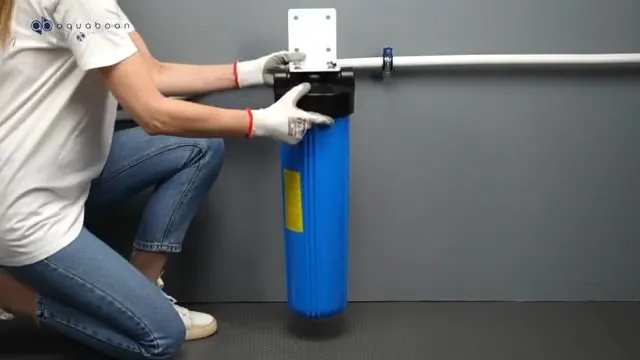
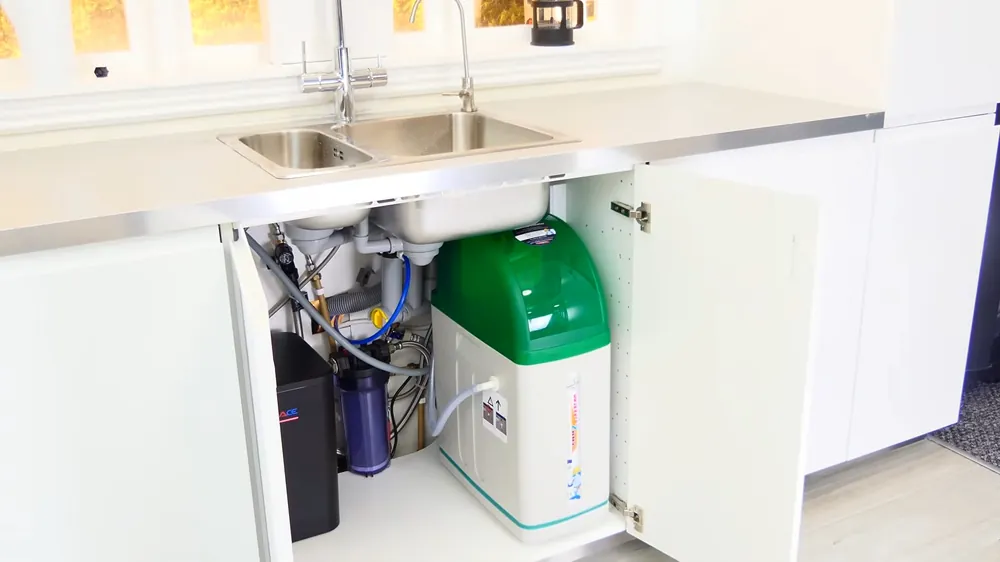
A softener sits on the cold and hot main after the main shutoff, and ahead of the water heater. The plumber installs a bypass so water can run during service, connects a drain line to a standpipe or floor drain with an air gap, and routes the brine overflow to a safe place. A nearby outlet and room to lift salt bags into the tank complete the setup.
Replacing an existing unit is simpler when the old fittings are sound. The plumber disconnects the old head, flushes the lines, resets the control valve to the water supply and sets the regeneration schedule. A moved or reinstalled unit goes through the same steps, and the control valve is the part most likely to be replaced on its own.
Add a reverse osmosis system for drinking water
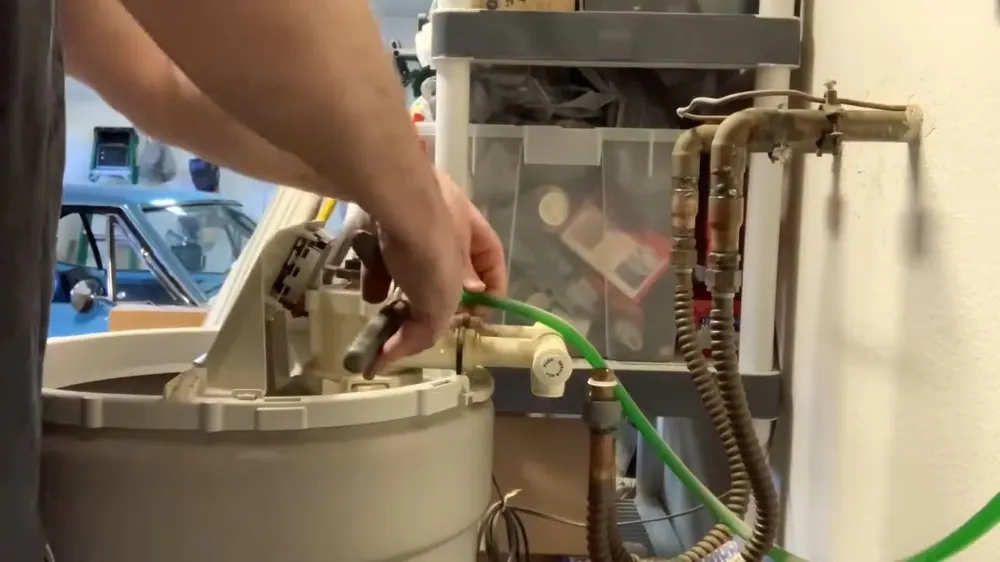
Reverse osmosis pushes water through a membrane at one tap, usually under the kitchen sink. It needs a storage tank, a separate small faucet, a drain saddle for the reject water and filter cartridges that are changed on a schedule. A plumber also checks the cabinet for space and the drain for a proper connection.
Because the system treats a small flow, it suits drinking and cooking water rather than the whole house. Ask how often the membrane and prefilters are changed, what the replacement parts cost, and where the reject line will drain. Confirm that the tank, faucet and drain line are tested for leaks before the cabinet is closed, because a slow drip under a sink can go unseen for months.
Softener not working?
Tell dispatch whether it leaks, runs constantly or has stopped making soft water.
Call (984) 237-6514Under-sink and drinking water filters
A sediment filter catches particles, and a carbon block filter reduces taste and odor. Both fit under a sink or on a line to a refrigerator, and neither needs a drain. They are the simplest upgrade for a household that likes cleaner-tasting water without a larger system.
Cartridge life depends on use and on the water, and a clogged cartridge reduces flow rather than failing loudly. Write the install date on the housing and keep a spare. Filters that sit idle during travel should be flushed before drinking. When a cartridge is changed, shut off the supply, relieve pressure at the filter faucet and check the housing seal for a pinch or a missing ring, since a bad seal is the usual cause of a drip after a change.
When does a softener need repair or service?
A softener that stops giving soft water, runs out of salt quickly, floods the brine tank or runs constantly has a problem with the control valve, the brine line or the resin. The regeneration cycle recharges the resin with salt brine, and the unit then rinses and drains. Salt bridges, crusted layers in the brine tank that leave empty space below, can stop that cycle even when the tank looks full.
A plumber can replace a control valve, clear a plugged injector, clean the brine tank or replace resin that has worn out. Keep salt levels above the water line, use the salt type the maker names, and note the date of any change. If the unit is old, compare repair cost with replacement before approving work.
What is water treatment and conditioning?
Treatment covers anything that changes water quality, such as softening, filtering or reverse osmosis. Conditioning usually means a device without salt that is sold to reduce scale.
Ask for independent test results on any conditioner, because claims vary a great deal.
What are the signs of hard water, and how is it tested?
Common signs are crust on faucets, a film on dishes and reduced soap lather. A hardness test strip or a lab test at your own tap shows the actual reading.
In Raleigh, the City reports soft water, so unusual signs may point to the water heater or old plumbing.
What do salt, brine and regeneration mean?
A softener stores salt in a brine tank. During regeneration, brine washes the resin to recharge it, then the unit rinses and drains.
Keep salt above the water line and check for a hard crust if the unit stops working well.
Can a softener control valve be replaced or reinstalled?
Yes. The control valve can be swapped without replacing the tank, and a unit can be moved when the bypass, drain and power are reconnected.
Ask the plumber for the valve model and a test of the water after the work.
Get the water treated right
Testing and installation visits are scheduled by phone whenever you call.
Call (984) 237-6514- Licensed and insured plumbers
- Same-day service when available
- 24/7 emergency dispatch