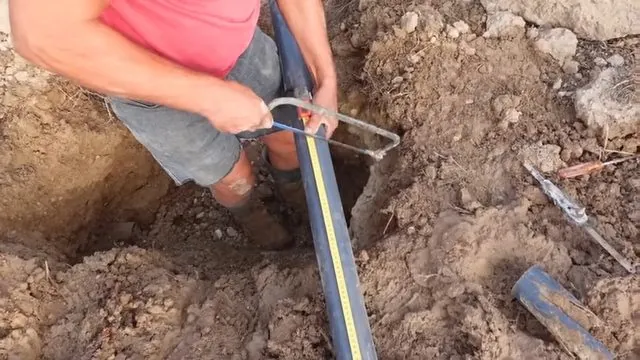
Water line plumber for Raleigh homes: no water, low pressure or a wet yard, and who fixes what
When you call about a water line, the first questions are practical: is the water off at the whole house or one fixture, is the meter moving, and is anything wet in the yard. Those answers sort a problem into the City's pipe, your pipe or something inside the house, and they decide who should come.
- Licensed and insured plumbers
- Same-day service when available
- 24/7 emergency dispatch
Raleigh water line repair: what the first visit covers
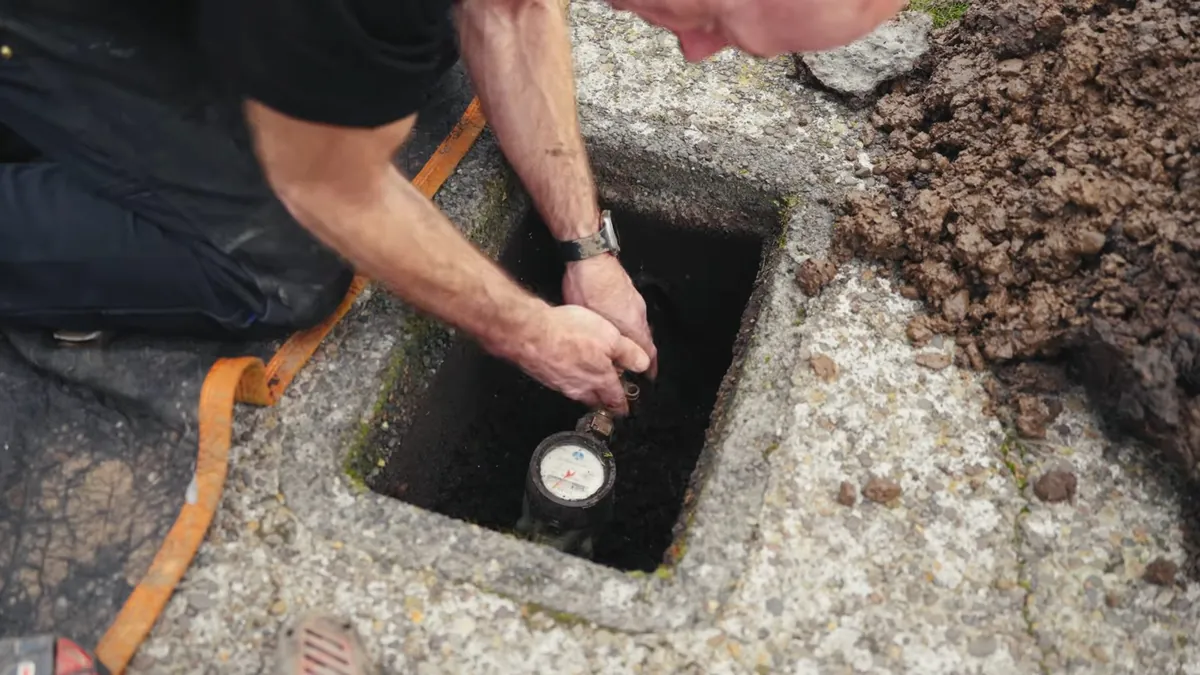
A plumber starts by confirming where the trouble sits. That usually means checking the shutoff at the house, reading the meter, looking at the yard along the line for soft ground and testing pressure at an outdoor spigot. A leak between your property line and the house is the plumber's to dig and fix. When the evidence points to the City side, report it to the utility and do not dig.
Repairs depend on what is found. A split or a failed joint on sound pipe is a cut-and-couple repair, and a line that is corroded or has several leaks calls for replacement. Ask for the location of the leak, the length of line affected and a plan for the yard.
Water line replacement: when the pipe has to go
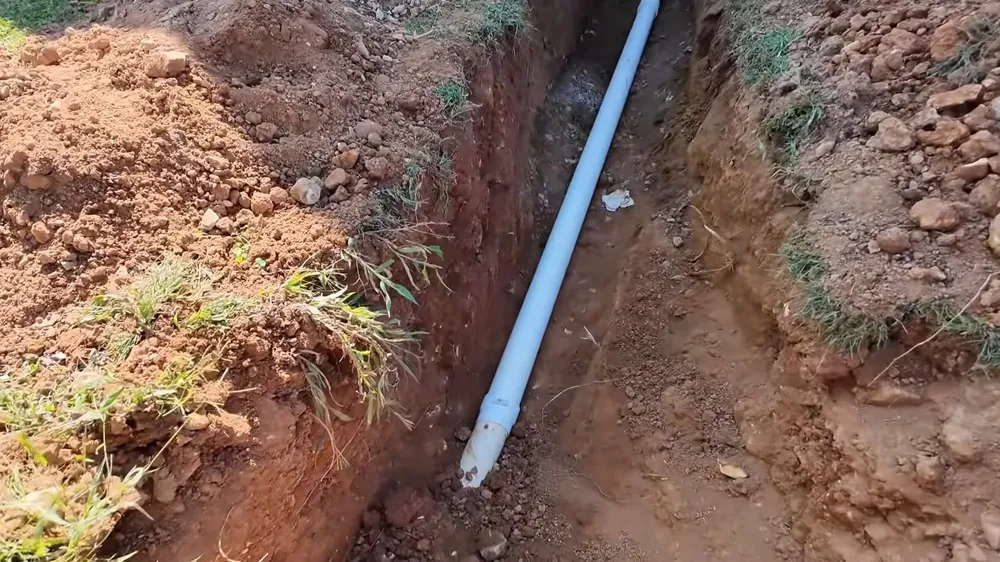
New pipe is the sensible choice when the line has leaked more than once, when pressure is poor because the pipe is clogged with corrosion, or when the material is one you want gone. The old pipe is either pulled out of a trench or left and bypassed, and new pipe runs to the house with a new shutoff and, where needed, a pressure regulator.
Raleigh Water runs a Service Line Material Project, and the City invites customers to share what their service line is made of. When a plumber exposes the line, ask them to note the material and photograph it; that record helps you and gives the City the information it is collecting. The City also notes that plumbing permits are typically required to extend a private water service onto private property, and street cut permits can apply when work reaches the public street, so ask the plumber how permits and utility locates will be handled.
No water at the house?
Tell dispatch what the meter shows and whether neighbors are affected.
Call (984) 237-6514Service and yard line: the City's side and yours
On the City's side of the property line the utility keeps the water pipe in repair; past that line, the pipe to your house is the customer's job. A soggy patch near the meter or street is worth reporting to the utility; a soggy patch between the property line and the house is a call for a plumber.
Keep records either way: the date you noticed the problem, photos, the meter reading and any invoice. If a leak on your side raised your bill, keep a dated invoice that lists what was repaired; the City's leak adjustment review asks for proof of repair. For the process of finding a leak that is not obvious, see leak detection service.
No water or low pressure: checks in order
These checks sort a whole-house problem from a single fixture and cost nothing.
- Test more than one tap. If only one fixture is weak, the problem is local to that fixture or its supply.
- Look at the house shutoff. Make sure the main shutoff valve is fully open and was not bumped.
- Check the meter. If the dial or triangle spins with all fixtures off, water is leaking past the meter.
- Look for a neighbor effect. If nearby homes are dry too, the cause is probably on the City side.
- Note the time and sound. Hissing, banging or a sudden drop are details to tell the plumber.
| Symptom | Likely cause | Who to call |
|---|---|---|
| No water, whole house, neighbors fine | Closed valve, frozen or broken service line | A plumber |
| No water, whole street | Main break or maintenance | The water utility |
| Weak pressure everywhere | Clogged line, failing regulator, partly closed valve | A plumber |
| Pressure drops and recovers | Failing regulator or a leak | A plumber |
Wet yard or weak pressure
Calling (984) 237-6514 is the quickest way to sort out whose pipe it is.
Call (984) 237-6514High pressure, regulators and the main shutoff valve
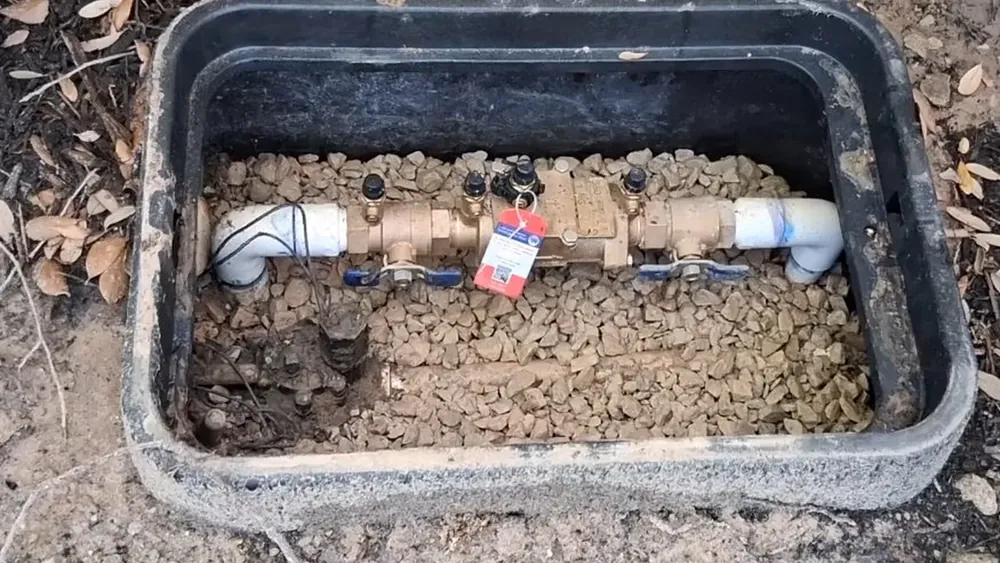
Too much pressure is hard on every fixture, supply hose and the water heater. A Hendersonville notice describing the current North Carolina Plumbing Code states that pressure reducing valves are required on private service lines where municipal pressure exceeds 80 psi. Raleigh does not publish a figure for your street, so the practical move is to have a plumber put a gauge on an outdoor spigot.
The regulator is on your side of the line and is yours to maintain. A failing one can cause a hammering noise, a dripping relief valve or creeping pressure at night. The main shutoff valve belongs here too: if it will not close fully or leaks at the stem, replace it before an emergency teaches you how important it is.
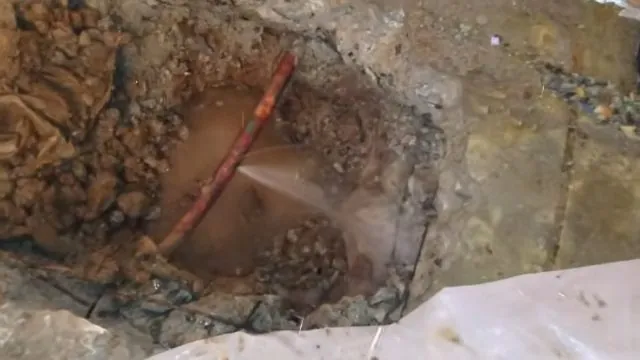
Pressure testing and finding the leak without trenching the yard
A pressure test isolates the line by closing the shutoff and watching a gauge. If the gauge falls, the line is losing water. Acoustic listening along the line and a meter check then narrow the location so the trench can be short. The test also tells you whether the leak is on the line or inside the house, which matters when someone else may own the problem.
If a leak is under concrete, such as a driveway or garage slab, ask for locating before cutting. The concrete repair is part of the quote, and a plumber should say who restores the surface, how the trench will be backfilled and whether the repair will be tested under pressure before it is covered.
Water line questions
Who owns what, what to check first and how buried leaks are found.
What is the main water line, and who is responsible for it?
The main water line is the pipe that brings water from the street to your house. Raleigh's utility keeps its water lines in repair only as far as the property line; the stretch beyond that, to the house, is the homeowner's.
If you are unsure where your property line sits, the meter box and your survey are good starting points.
How is a leak in an underground main under a driveway or slab found?
The leak is confirmed with a meter and pressure test, and then acoustic equipment is used along the line to place it. The goal is to open as little concrete as possible.
Have the location marked and the surface repair named in the quote.
What should I do about an underground pipe leak?
Close the shutoff at the house, note the meter reading and keep people away from soft or sunken ground. Do not dig yourself, because other utilities may be buried nearby.
Call a plumber for a leak on your side, or the utility for one near the meter or street.
I have no water at my house. How do I check the meter?
Open the meter box carefully and look at the dial or flow indicator with all taps off. If it moves, water is leaking past the meter. If it is still and you have no water, check the house shutoff.
If neighbors have no water either, report it to the utility.
Get the water line sorted
A dry tap at midnight reaches a live dispatcher, not a voicemail box.
Call (984) 237-6514- Licensed and insured plumbers
- Same-day service when available
- 24/7 emergency dispatch