Drain cleaning in Raleigh, NC: slow sinks, backed-up tubs and stubborn clogs
Raleigh asks residents to collect cooking grease in a container and put it in the trash instead of the sink, and the City's flyer adds that a backup between the house and the City connection is the homeowner's to clear. That is the daily reality of drain cleaning: a slow sink or a gurgling tub is usually your pipe, and the right fix depends on how far into the system the clog sits.
- Licensed and insured plumbers
- Same-day service when available
- 24/7 emergency dispatch
Sump pump and ejector trouble in low-lying spaces
Some homes carry a sump pump or a basement-level bathroom that depends on a pump, and when it fails water sits where it should not. If your house has one, the signs are a pump that runs constantly, a basin that overflows, a burning smell from the motor, or standing water in a crawlspace or basement corner.
Sump pump work is one part of this page, not the whole story. A plumber can test the float and check valve, replace a worn pump, or relocate the basin, and should tell you where the discharge line ends before you agree to a plan. Ask whether a battery backup is practical, because power failures often arrive with the same storms that fill the basin. A sewage ejector in a basement bathroom is a related but different pump; the sewer lateral repair page explains it.
Snaking, rooter and auger work for soft blockages
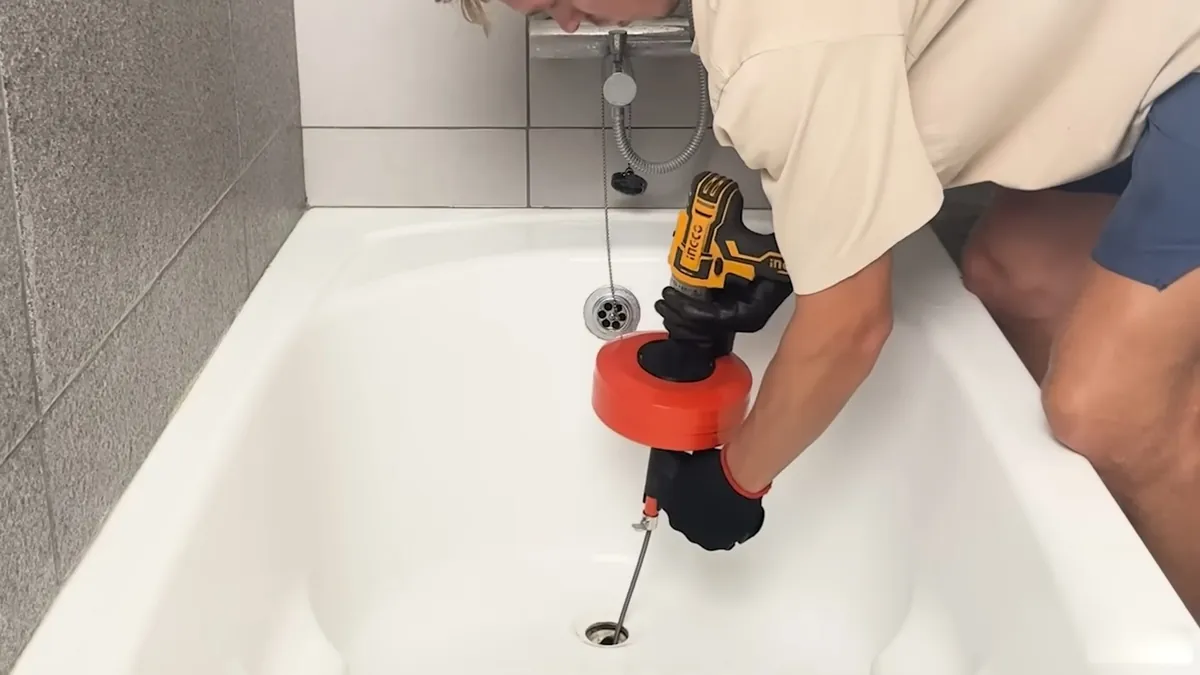
A drain snake, sometimes called a rooter or auger, is a flexible cable with a cutting or hooking head that spins through a clog. It suits single-fixture blockages made of hair, soap and paper, and it is the usual first tool for a kitchen or bathtub line.
Snaking has limits. A cable bores a hole through a blockage and leaves the walls of the pipe coated, so a drain can clog again within weeks. If the same drain slows down repeatedly, ask for a camera look instead of another round with the snake.
Drain backing up? Call now.
Get the line cleared and learn why it blocked in the first place.
Call (984) 237-6514Drain pipe repair and cast iron that has worn thin
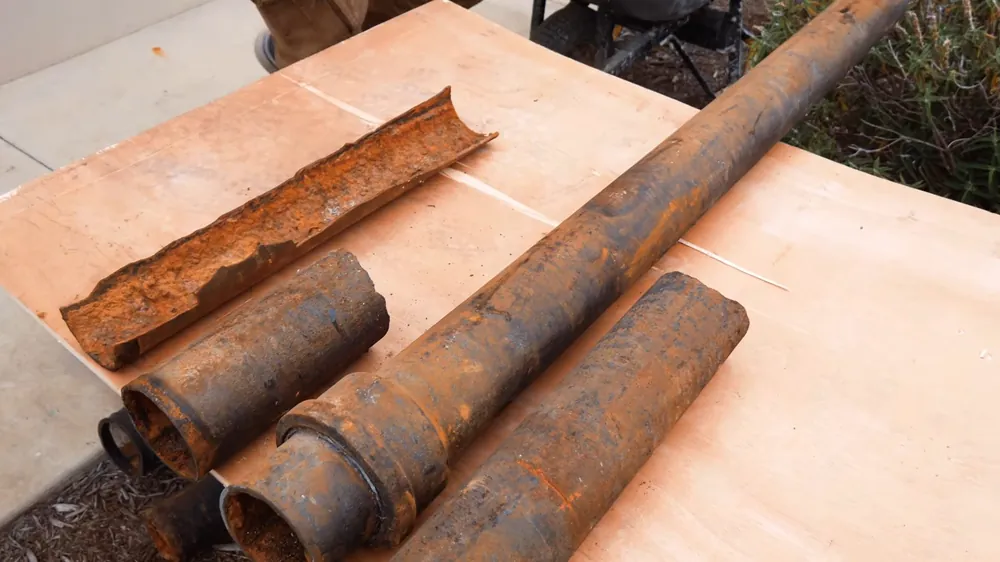
Not every clog is a blockage. Older cast iron drain pipe rusts from the inside, builds rough scale that catches debris, and can crack or flake. Signs include recurring clogs in the same spot, a rotten-egg smell near floor drains, brown water after use, or a section of pipe that looks flaky when exposed.
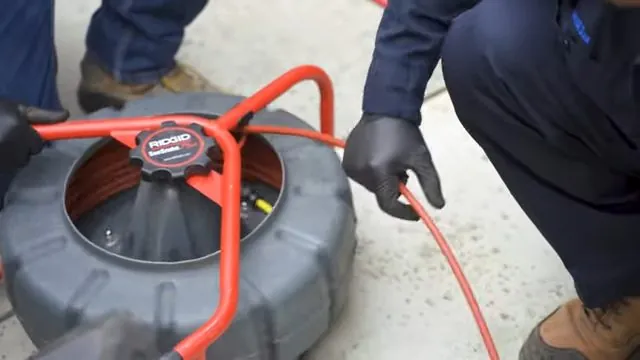
A camera inspection, also called a video inspection, tells you whether the pipe is merely dirty or actually damaged, and it can show a drain that leaks into a wall or slab instead of clogging. If it is damaged, a plumber can replace the failed section with new pipe, and should show you the footage and explain why a cleaning alone will not hold. Ask how much of the line is affected, since one bad section on a long run is a smaller job than a stack that is rough end to end, and keep the camera photographs with the distance noted.
Raleigh drain clearing: what a visit covers
A routine clearing visit starts with finding out which drains are affected and how long the problem has existed. The plumber then picks a tool to match, checks flow after the clog is cleared, and runs water for several minutes to make sure it holds.
Kitchen sinks collect grease and food scraps, and a plumber will usually clean the line past the trap. Bathtub and shower drains catch hair, and the stopper or strainer often hides most of it. Before the visit, clear the area under the sink, locate your cleanout if you know where it is, and tell the plumber about any earlier attempts. Ask for the findings in plain terms: where the clog sat, what it was made of, and whether the pipe looked healthy.
- Which tool was used and why
- Where the blockage sat, relative to the fixture or main line
- Whether a camera was run and what it showed
- What habits or fixes will keep the drain clear
Slow drains turn into backups
If more than one fixture is slow, stop running water and dial (984) 237-6514.
Call (984) 237-6514Clogged, slow and backed-up drains: tell the cause apart
Where the symptom shows up tells you where the clog probably sits, and the table puts the usual patterns in one place so you can describe yours clearly when you call.
| What you see | Probable location | What to do |
|---|---|---|
| One sink or tub drains slowly | The fixture trap or branch line | Clear the strainer, try a plunger, then call |
| Toilet clogs, but sinks run fine | The toilet trap or its branch | Plunge once, stop if water rises, call |
| Several fixtures slow or gurgling | The main drain line | Stop adding water and call right away |
| Sewage in the lowest tub or floor drain | Main line or sewer service | Keep water off, call, then check the cleanout |
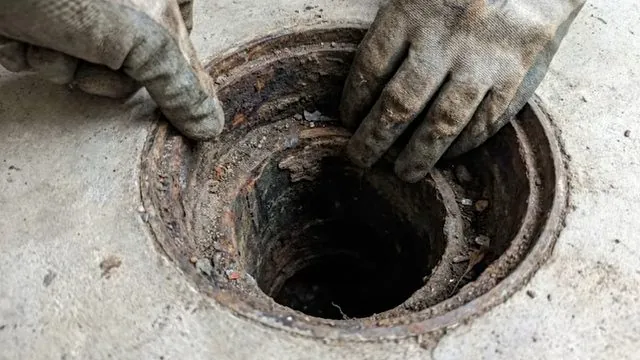
When water has no other place to go, it appears in the lowest drain in the house, so a backup in a basement-level shower or floor drain often means the main line is blocked. That is a same-day call. Mainline drain cleaning and snaking, done from a cleanout with a heavier cable than a sink needs, reaches the large line that serves the whole house. If sewage reaches the floor, keep children and pets away and avoid touching it with bare hands.
Hydro jetting service for grease, roots and heavy buildup
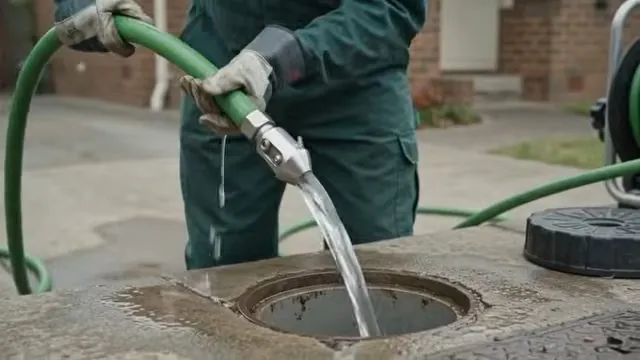
Hydrojet drain cleaning uses high-pressure water from a hose and nozzle to scour the inside of a pipe, rather than poking a hole through the blockage. It is the right tool when grease has coated the pipe, when buildup is thick, or when roots have entered through a joint and need to be cleared.
Because it works at high pressure, jetting is not for every pipe. A camera check first shows whether the line can handle it. Restaurants and other food businesses, where kitchen drains and grease traps load the system, often use jetting on a schedule, and the City's grease rules apply to them as much as to homes. Commercial kitchen drains also include exhaust hood drains and grease traps, where grease builds up faster than in a house.
Drain odors, floor drains and yard drainage come up on the same visit. Persistent drain odors despite cleaning usually mean something other than a clog: a sewer smell may come from a dry trap that needs water, a French drain or yard drain is a separate drainage system, and a plumber can tell you which of these actually belongs to the drain line.
Drain questions people ask
Quick answers for slow sinks, backed-up tubs and the clogs that keep returning.
How would I go about replacing or remodeling a sump pump?
Start by deciding what is changing: the pump, the basin or where the water goes. A pump swap takes the least work, while moving or enlarging a basin means cutting the floor and re-running the discharge.
Ask the plumber where the discharge ends and whether a battery backup fits the space. If you do not have a sump pump and wonder whether you need one, the answer depends on where the water collects, which a visit can show.
What do I do about a clog or backup in a kitchen sink, shower or toilet?
Waiting is the wrong move when more than one fixture is affected. Stop running water, because every gallon has to go somewhere, and try a plunger on a single fixture only.
If the plunger fails or water rises in another drain, call a plumber the same day. Sewage in a tub or floor drain means the main line is blocked.
Why is my floor drain or basement drain slow?
Floor drains collect lint, soap and silt and are used rarely, so debris settles and the trap can dry out. A slow floor drain that gurgles when the washer drains is a sign the line is partly blocked.
Pour water in to refill the trap, and if it still runs slowly, a plumber can snake or jet the line.
Is a yard or French drain the same as a plumbing drain?
No. A French drain or storm drain moves groundwater and rain away from the property and is a drainage job, not a sanitary drain. A plumber can tell you if a clog is in the house drain or somewhere else.
If water ponds near the foundation after rain, a landscape or drainage contractor is often the right contact.
Can a clogged drain be cleared without digging?
In most cases, yes. Snaking and jetting reach the clog from an existing opening such as a cleanout, a fixture or a vent. Digging comes up when a camera shows a collapsed or broken pipe that cleaning cannot fix.
Ask to see the camera footage before you agree to any excavation.
Why does my drain keep clogging?
A drain that keeps clogging has a cause the cleaning did not reach. Common ones are grease coating the pipe, roots in an older line, rough scale inside cast iron, or a section that sags and holds water.
A camera inspection finds the cause. Keeping grease in the trash, hair out of the tub and wipes out of the toilet lowers the odds of a repeat.
Get the drain cleared today
Clogs do not keep office hours, and neither does the dispatch line.
Call (984) 237-6514- Licensed and insured plumbers
- Same-day service when available
- 24/7 emergency dispatch