Emergency gas line repair and installation: smell gas first, then call the right people
Gas line work covers repairing a leaking line, running a new one and connecting appliances such as a range, dryer, fireplace, grill or generator. It is for anyone adding or moving a gas appliance, replacing old gas pipe or dealing with a suspected leak, and it starts with one rule: a gas smell is not a job for dispatch first.
- Licensed and insured plumbers
- Same-day service when available
- 24/7 emergency dispatch
If you smell gas: the first minutes
- Get everyone out. Take people and pets outside and warn neighbors to stay away.
- Call from outside. Phone 911 and the gas utility from a safe distance. The emergency number is on your gas bill and meter.
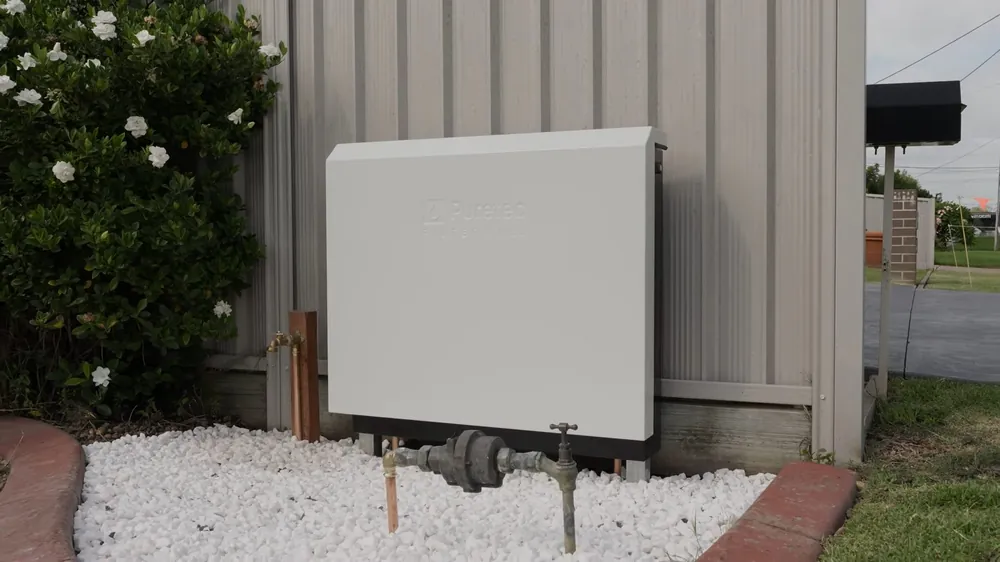
- Leave the meter alone. The utility says its own crews or emergency responders should operate the service valve.
- Wait for the all-clear. Do not return until the utility or fire crew says it is safe.
- Then call a plumber. Once the utility has made the area safe, a licensed plumber can find and repair the leak on your side.
Gas line repair: what happens after the utility says it is safe
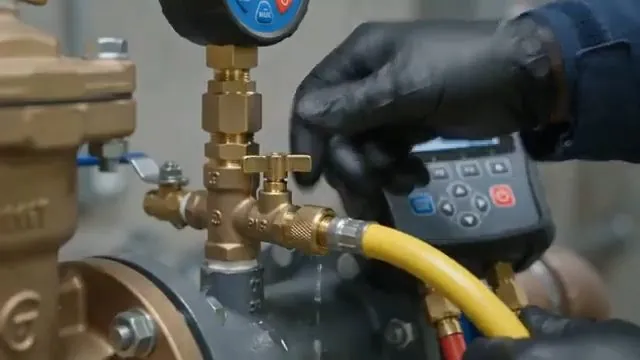
The utility looks after its own service line and meter, so ask it where its equipment ends and your piping begins. After a leak call, the utility may shut off service until a repair is done. A plumber then locates the leak with a combustible gas detector or a bubble test, repairs or replaces the damaged section and pressure tests the line.
Ask for the test result in writing and for the date the utility will relight appliances. The utility's own guidance says to have a qualified gas plumber or contractor inspect and relight individual appliances, so do not relight pilots yourself. If a pilot keeps going out after the restore, that is a reason to call the plumber back, not a reason to keep relighting it.
Gas line project or repair?
Talk to a plumber about the run, the test and the permit before anything is cut.
Call (984) 237-6514Gas line installation: new runs, moves and appliance hookups
A new gas line starts with a load check: how many appliances the line must serve at once, how far it runs and what pipe size that demands. A plumber then routes the line, installs shutoff valves at each appliance and tests it under pressure. Moving an existing line follows the same steps.
| Appliance | What the plumber checks | Ask |
|---|---|---|
| Range or cooktop | Line size, shutoff valve, flexible connector | Is a shutoff within reach? |
| Dryer | Dedicated line, vent path, connector type | Is the venting clear? |
| Fireplace or log set | Valve location, venting, clearances | Does the install match the maker's instructions? |
| Grill or fire pit | Outdoor line, burial depth, shutoff | Where will the line be marked? |
| Generator | Capacity, line size, transfer connections | Can the line carry all appliances at once? |
Call 811 before any outdoor digging, because underground lines are everywhere. Moving a tank water heater or adding one in a new place also affects the gas line; replacing a water heater explains that side.
Black iron, CSST and gas pipe replacement
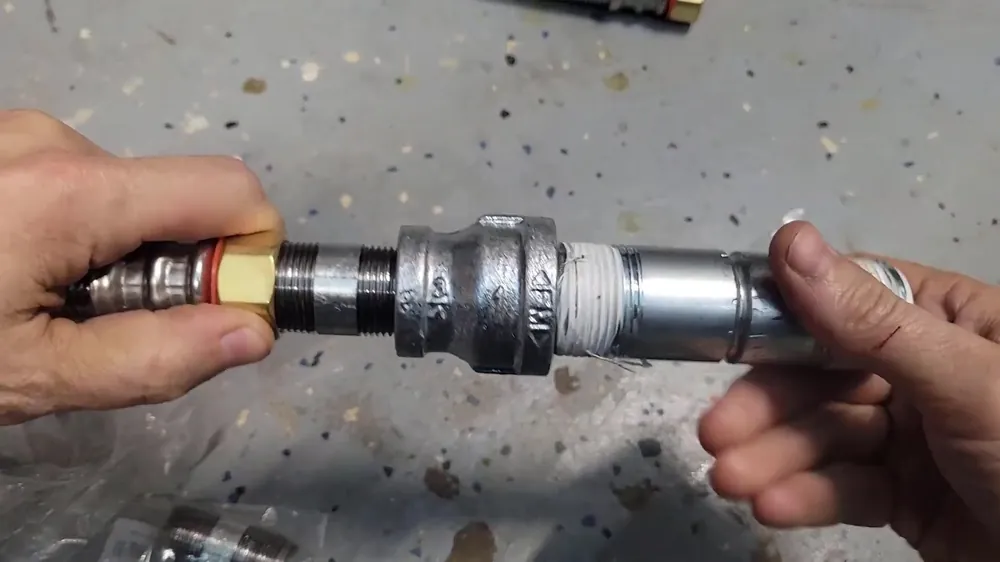
Inside homes, gas is carried in black iron pipe or in flexible stainless tubing known as CSST. Old black iron can corrode at joints, and flexible tubing has to be supported and installed according to the manufacturer's instructions and code. Replacement makes sense when pipe is corroded, when a repair would leave mixed materials awkwardly joined or when the house is being renovated.
A pressure test after any gas piping work, and again after a long period of vacancy or storm damage, confirms the line holds. Ask the plumber to document the test pressure, the duration and the result.
Propane is a different fuel with different pressures and appliance settings, and appliances and orifices are not interchangeable between natural gas and propane. A conversion is a licensed gas job, not a quick adjustment.
Gas smell means leave first
After the utility makes it safe, ring (984) 237-6514 and get the line repaired.
Call (984) 237-6514Who is licensed to work on gas piping, and permits
North Carolina requires a fuel piping license to install, maintain, service or repair fuel piping, and, per the state agriculture department, the plumbing, heating and fire sprinkler examiners board issues it. Ask the plumber which license class covers gas piping, and look the name up at nclicensing.org before work starts.
Permits are the second question. Whether moving or adding a gas line needs a permit, and which office issues it, is decided where your house sits, so have the plumber confirm that with the permit office for your address and say who pulls it. Do not accept "no permit needed" without that check, and keep the final inspection record with your house papers. An unpermitted gas change can surface later at a home sale or an insurance claim, and it is far easier to document the work now than to reconstruct it then.
Gas line questions
Who to call, who is licensed and what permits mean for gas work.
Who installs gas lines?
A licensed plumbing or fuel piping contractor installs gas lines. The state board issues the license, and you can look up a name on its website before work begins.
For a new line, ask the contractor to confirm permits, test the line under pressure and arrange the utility connection if one is needed.
Who fixes gas leaks?
For a suspected leak, the gas utility comes first: leave the building, then call 911 and the utility from outside. After the utility makes the area safe, a licensed plumber repairs the piping on your side.
Do not try to find or fix a leak yourself.
Do I need a permit to move a gas line?
In most places moving gas piping calls for a permit and an inspection, but the rules differ by jurisdiction. Your plumber should check with the permit office that covers your address before work starts.
Ask who will pull the permit, when the inspection will happen and how the utility is told.
Can a gas stove be hooked up and converted from natural gas to propane?
A stove can be hooked up to a gas line by a licensed contractor, with a shutoff valve and a proper connector. Converting between natural gas and propane is a different job, because the burners, orifices and regulator settings must match the fuel.
Follow the manufacturer's conversion instructions through a licensed installer, and have the line tested after.
Get the gas line done right
After-hours calls reach dispatch, though a gas smell always goes to 911 and the utility first. For the rest of what dispatch handles, see the Raleigh home page.
Call (984) 237-6514- Licensed and insured plumbers
- Same-day service when available
- 24/7 emergency dispatch