Emergency leak detection in Raleigh homes: find the water you cannot see
Leak detection is the work of finding where water is escaping when you cannot see it, and it is for anyone whose bill jumped, whose wall or ceiling stain keeps growing, or who hears water moving in a silent house.
- Licensed and insured plumbers
- Same-day service when available
- 24/7 emergency dispatch
Leak detection service in Raleigh: confirm the leak, then pinpoint it
A plumber starts by deciding whether water is really leaving the system. That means reading the meter with every fixture off, listening along the pipe run, and asking when the symptom began, because a bill that rose after a cold snap points somewhere different than a stain that appeared after a dishwasher was replaced.
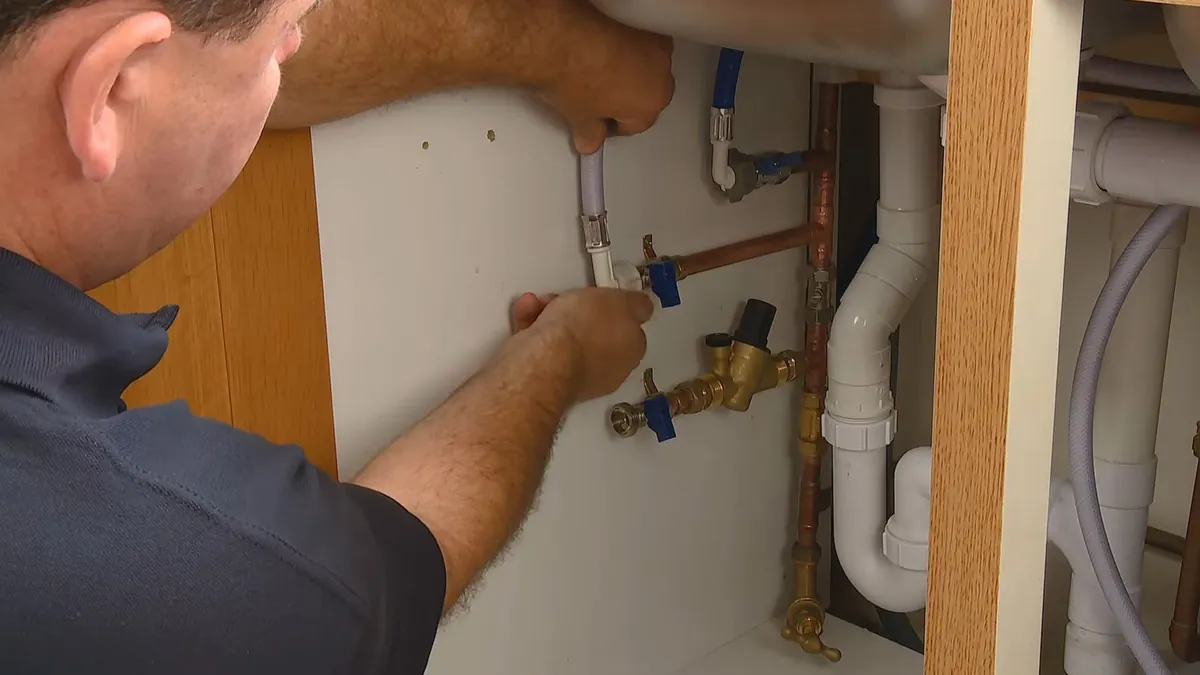
Pinpointing comes second. Electronic acoustic microphones pick up the hiss of pressurized water, thermal cameras show a warm or cool trace where a pipe runs behind drywall, and a hydrostatic pressure test holds one branch of piping under pressure while a gauge is watched, so the search area shrinks before anything is cut open. Before choosing a method, the plumber has to know what the house sits on, so the first question is whether you have a slab, a crawlspace or a basement. Confirm that first; the answer changes which tools make sense, and a house sitting on a concrete slab may need the approach on the slab leak help page.
Check for a leak yourself first, and know what the check cannot tell you
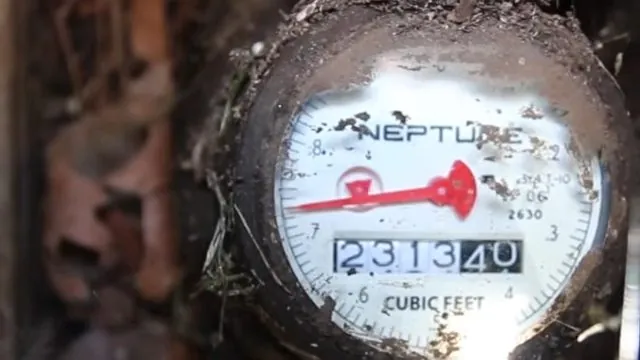
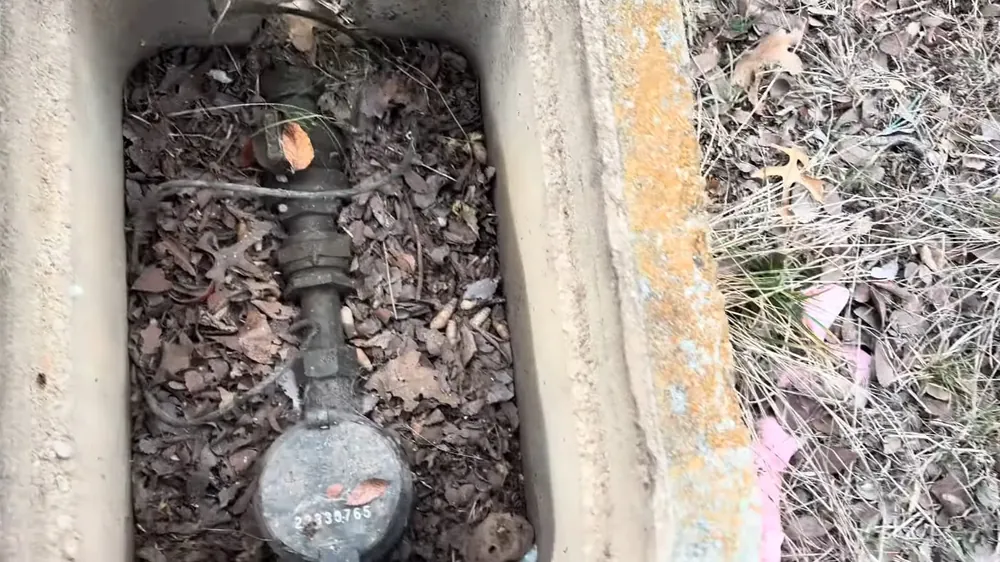
One safe check takes ten minutes and needs no tools. Reading the water meter shows whether water is moving when nothing in the house should be using it.
- Stop all use. Turn off the dishwasher, washing machine and ice maker, and make sure no one runs a tap or flushes.
- Find the meter. It sits in a box near the street. If the lid is stuck or the box is full of water, do not force it; call instead.
- Look at the low-flow indicator. Many meters have a small triangle or dial that turns with even a trickle. If it moves, water is passing the meter.
- Write the reading down. Wait an hour with nothing running and read it again. A changed number means a leak somewhere past the meter.
Here is the limit of that test. It confirms that water is escaping but not where, and it cannot separate a running toilet flapper from a pinhole in a pipe under a slab. The City maintains water lines up to your property line and the pipe from there to the house is yours, so a moving meter with everything off means the problem is probably on the property side and a plumber, not the City, is the right call.
Water leaking and not sure where? Call now.
Send a plumber who reads the meter, finds the source and explains the repair.
Call (984) 237-6514Leak repair: what happens once the spot is found
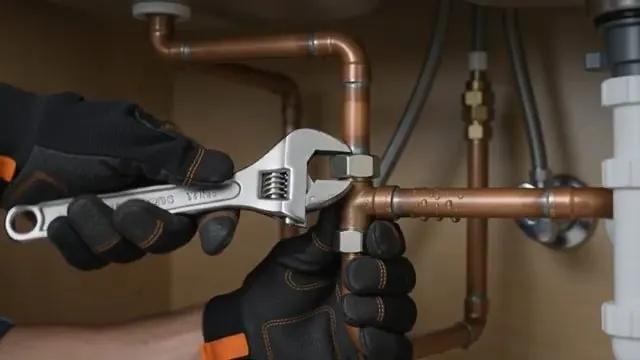
Repair depends on what failed and where. A failed supply fitting or a corroded section can often be cut out and replaced with a short run of new pipe. A pinhole in a wall is repaired through a small access opening that is patched afterward. When the same line has leaked more than once, a plumber should tell you honestly whether more spot repairs make sense or the run is near the end of its life.
Ask for three things before work begins: where the leak is, what caused it, and whether anything else on the same line looks suspect. Ask also whether the repair needs a permit. In Raleigh the answer comes from the permit office for your address, so have the plumber confirm that before work begins.
Hidden and underground leaks: signs that point away from the fixtures
Hidden leaks give hints long before they cause a flood, and the pattern of what you notice usually narrows the search. This table matches common signs to a likely source and a sensible first move, from a warm floor spot to a sound at night, so you can describe the symptom accurately when you call.
| What you notice | Likely source | First move |
|---|---|---|
| Warm spot on a floor | Hot line under the slab | Close the water heater valve if the spot grows, then call |
| Meter moves with everything off | Any leak past the meter | Run the meter check, shut off the main, call |
| Soft, green or soggy patch in the yard | Service line between property line and house | Note where it is, avoid digging, call |
| Musty smell, peeling paint, stained drywall | Supply or drain in the wall | Mark the edge of the stain with a pencil and date it |
| Ceiling stain that grows after rain only | Roof or flashing, not plumbing | Call a roofer first; a plumber if it appears on dry days |
| Sound of running water at night | Toilet, supply line or buried leak | Check toilets first, then the meter |
Under the house, in a crawlspace or basement, look for drips on pipes, damp insulation or dark soil beneath a run, and check any attic plumbing above a stained ceiling. If the damp patch is outside, ask whether the line is the water service or an irrigation line. Sprinkler and irrigation systems are a separate trade, and a plumber can only tell you whether the leak is on the house side of the shutoff.
Wet floor, stain or sound of running water?
Water spreading on a floor is a reason to ring (984) 237-6514 now. Close the main valve first.
Call (984) 237-6514Toilet, faucet and shower leaks you can catch early
Fixture leaks are the simplest to fix and the easiest to miss. A toilet that runs after flushing, or that refills on its own every so often, is wasting water silently. Drop a few drops of food coloring in the tank; if color reaches the bowl without flushing, the flapper is not sealing. A faucet that drips from the spout points to a worn washer or cartridge, while a drip at the base points to an O-ring. A shower that stains the ceiling below it often has a failed valve seal or cracked tile grout. Appliance leaks belong on the same list: the braided supply hose behind a washing machine, a dishwasher or a refrigerator ice maker can fail without warning and is worth inspecting every year.
Many of these repairs are part of ordinary toilet and faucet fixes work, and doing them early keeps a small drip from becoming a rotted subfloor.
A pipe condition check after the repair
A plumbing inspection after the repair answers a simple question: whether the rest of the line is healthy. A plumber can inspect the nearby pipe, valves and fittings, record pressure at a hose bib, and flag anything corroded or stained. Ask for the pressure reading in writing: a number that sits very high, or swings between day and night, can explain why joints keep letting go, and a regulator is a smaller repair than another opened wall. If the findings show widespread wear, the plumber can talk through pipe replacement as a planned job rather than an emergency.
After any water escapes into a wall or floor, drying matters as much as the pipe. Wet drywall and insulation left alone can grow mold, so ask whether drying equipment is needed and see drying and cleanup for that side of the work.
Who owns the leak, and what to keep for the City
Ownership decides who calls whom. The City maintains water lines up to your property line, and the pipe running on to the house belongs to you. A leak on your side can raise your bill, and Raleigh has a leak adjustment process run through Customer Care and Billing that reviews courtesy adjustments for leaks on the customer side of the meter.
The action for you is simple. Ask the plumber for a dated invoice that says what was found and what was repaired, because the City asks for a receipt or proof of repair. An adjustment is a courtesy review and not a promise, so keep the paperwork and ask the City how to submit it. The same documents help your insurer if the leak caused damage; read your own policy, since coverage varies. If the leaking pipe is the one that runs from the property line to the house, the page on water service line work covers that line, and for a quick overview of everything dispatch handles, start from the main Raleigh page.
Leak questions, answered
Short answers for the questions that come up most when water shows up where it should not.
What should I do if I see a wet spot on a wall or ceiling?
Start with what can wait and what cannot. Water near a light fixture or outlet is urgent: stay out of the room, turn off the breaker for that area only if you can reach it dry, and call dispatch.
If the stain is dry to the touch, mark its edge with a pencil and date it. A spot that grows over a day points to an active supply line; one that only appears after a shower points to the shower valve or tile above it. Either way, the plumber should check the room above and any wall behind the stain.
How can I tell whether the leak is hidden or just a fixture?
You often see the symptom first: a puddle under a sink is a fixture or supply line, while a bill that rose with nothing visibly wrong is more likely hidden. Check every toilet with food coloring, look under each sink with a flashlight, then read the water meter with everything off.
If the meter moves and every fixture is dry, the leak is out of sight, in a wall, under flooring or in the yard line, and that is when leak detection gear is worth using.
Is a dripping faucet or running toilet a plumbing leak worth a visit?
It is worth fixing, and you have two options. A single worn washer or flapper is a simple repair and can wait a few days. If several fixtures drip or the drip is at a shutoff valve, pick a plumber visit because the cause may be water pressure or a failing valve.
Waiting costs water the whole time, and a toilet flapper that never quite seals can run all day. Do not let a small drip sit through a season.
Get the leak found and fixed
Night, weekend or holiday, the line stays open until someone picks up.
Call (984) 237-6514- Licensed and insured plumbers
- Same-day service when available
- 24/7 emergency dispatch