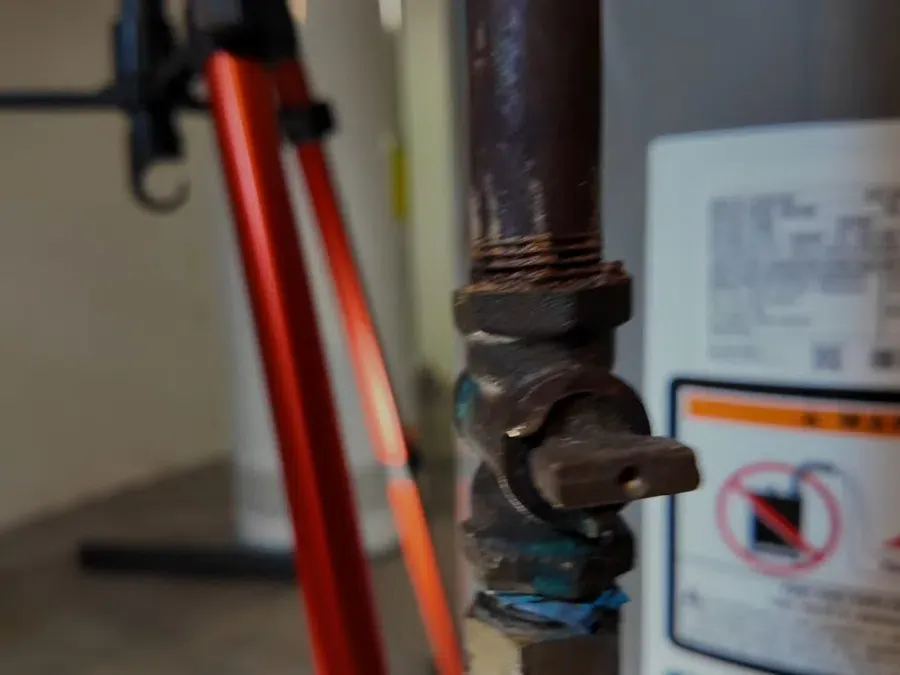
Water heater replacement in Raleigh: the keep-or-replace decision and what an install covers
Sooner or later every tank water heater forces one question: spend more on the old unit or put in a new one. This page is for the homeowner facing that choice, and it covers what a replacement and installation involve, from the code items that get missed to the day the new heater goes in.
- Licensed and insured plumbers
- Same-day service when available
- 24/7 emergency dispatch
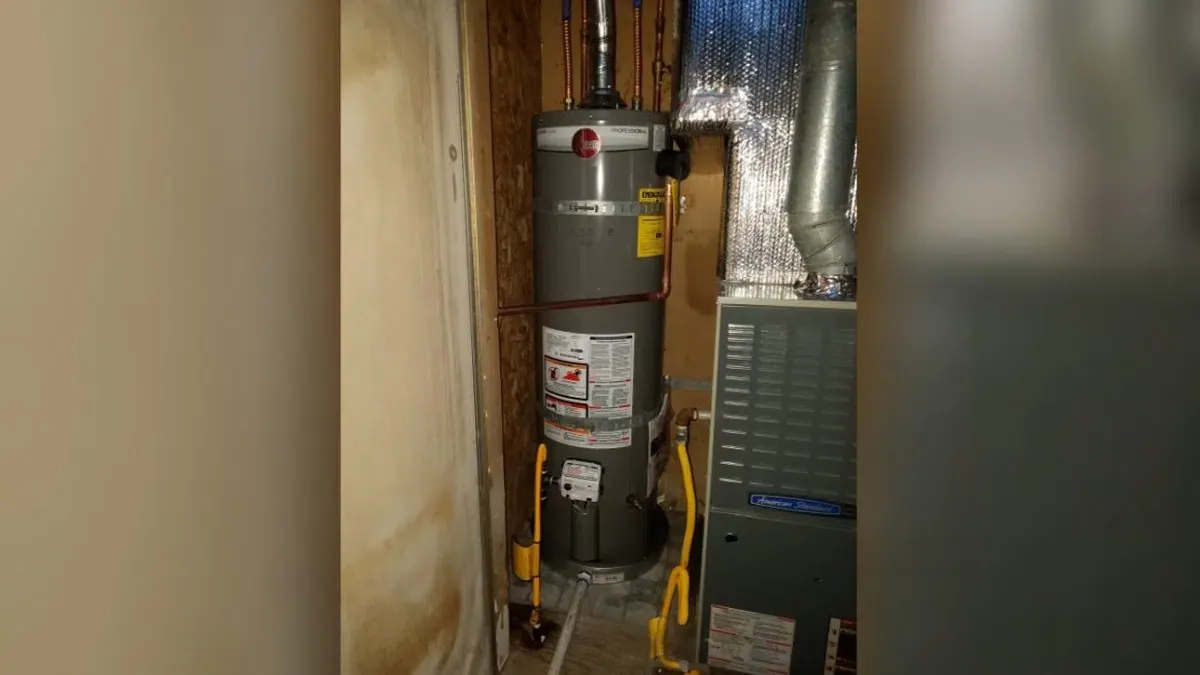
Expansion tank, permit and code: what has to be in place
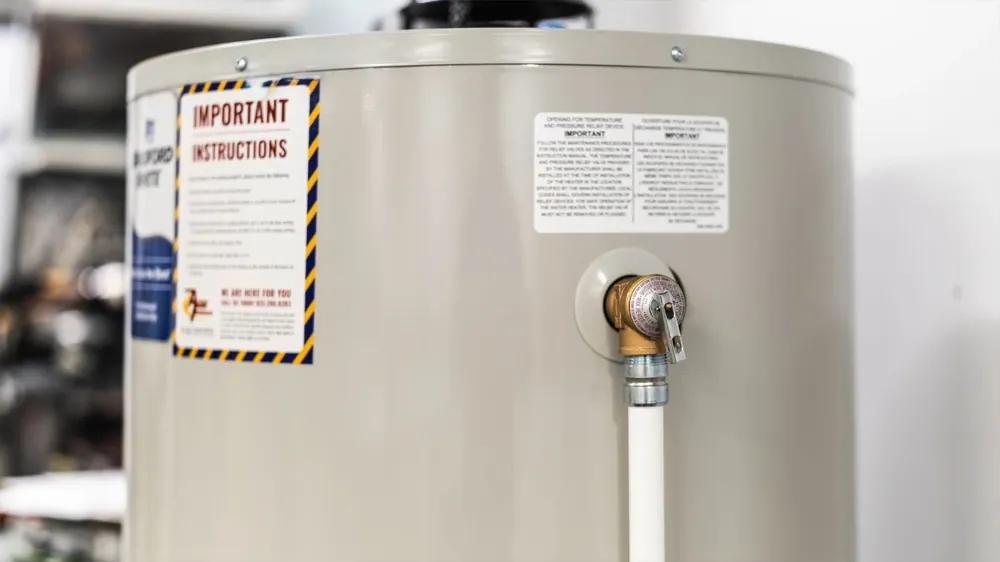
North Carolina's plumbing code, as interpreted by the State Fire Marshal's office, requires a device that controls thermal expansion wherever a storage water heater is supplied through a check valve, a pressure reducing valve or a backflow device. The heater's own temperature and pressure relief valve cannot do that job. Heated water has nowhere to go in such a system, so pressure climbs every time the burner or element runs.
Whether your house counts as a closed system is a question to settle before the quote, not after. Raleigh Water requires a backflow assembly on some services and leaves its testing to the customer, so ask the plumber to check for a backflow device or a regulator near the meter or the main shutoff. Permits are the second item. Wake County, for the areas it serves, requires plumbing permits for replacement and exempts some water heater swaps in one and two family homes under conditions; inside Raleigh, have the plumber confirm the requirement locally and say who pulls the permit.
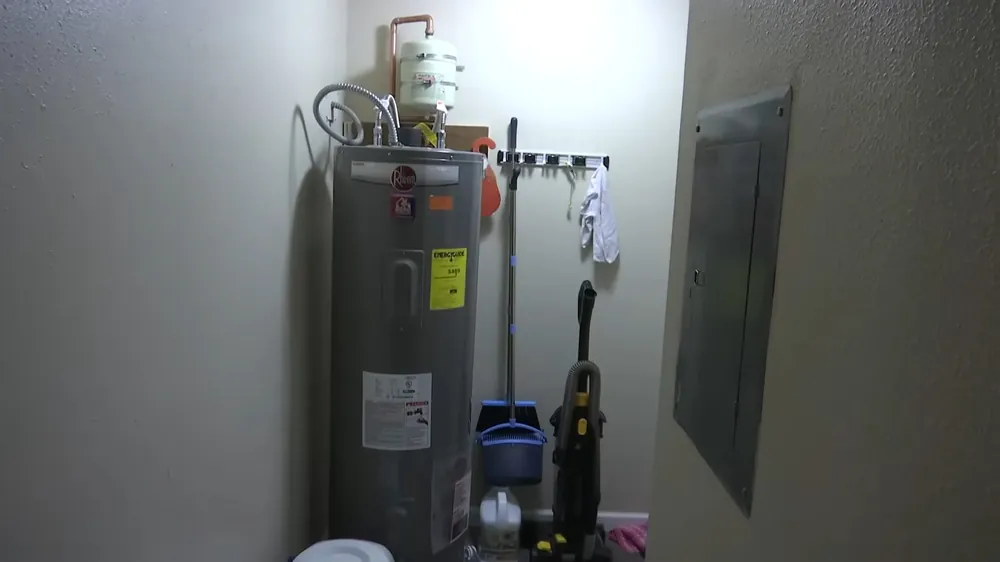
Replacement: when a new tank beats another repair
A new tank is the better call when the tank itself is leaking, because a corroded shell cannot be patched, and when an older unit needs a second or third repair in short order. A single failed part on a younger heater is still a repair, and the page on water heater fixes shows how to tell the two apart.
The replacement quote should name the unit, the capacity, the fuel, the venting changes, the expansion control, the permit and the haul-away of the old tank. A quote that lists only a model and a price leaves too much to be discovered on the day. If the heater is leaking now, close the cold inlet, cut power or gas at the unit and call; wet floors are a separate cleanup covered under water damage service.
Need hot water back?
Describe the old heater and where it sits, and get a plan for replacing it.
Call (984) 237-6514Installation day: what the plumber does, in order
- Shut off and drain. Water, gas or power go off, and the old tank is drained to a floor drain or outside.
- Disconnect and remove. Supply lines, gas or electrical connections and the vent are separated, and the old unit goes out.
- Set and connect. The new tank sits on a stable base or pan, with new flex connectors, shutoff valves and the expansion control.
- Vent and fuel. A gas unit gets its flue checked for draft; an electric unit gets a verified circuit and breaker.
- Fill, test and document. The tank is filled and purged of air before power or gas returns, then tested for leaks and temperature.
A straightforward swap of the same type in the same spot is usually a half-day job. Moving the heater, changing fuel or adding venting stretches it.
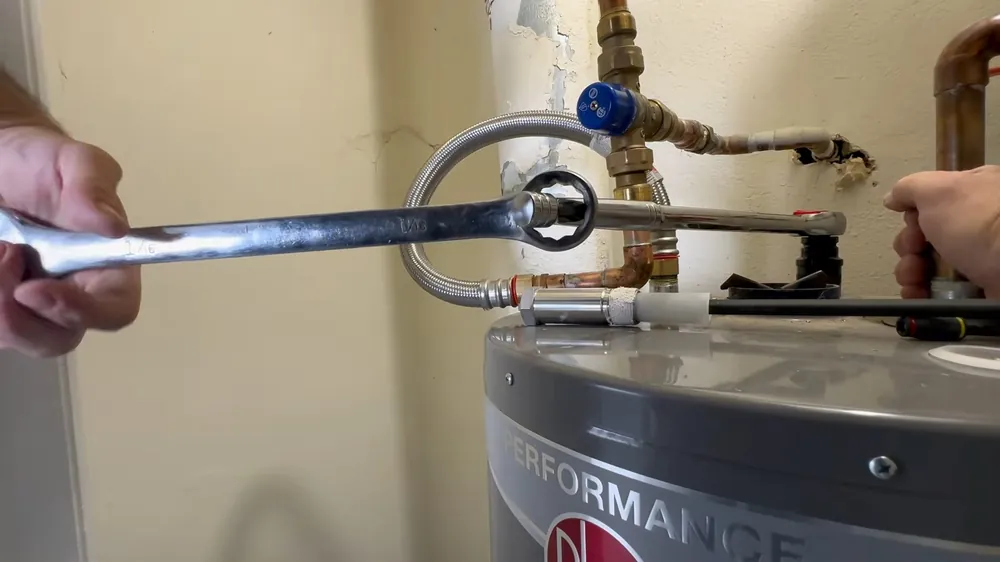
Gas, electric, hybrid or heat pump: choosing the fuel
Most homeowners replace what they have, because switching fuel means new gas piping, venting or an electrical circuit. If you are weighing a change, this comparison keeps the main trade-offs in one place.
| Type | What it needs | Watch for |
|---|---|---|
| Gas tank | Gas line, flue and combustion air | Venting condition and a leak-tight gas connection |
| Electric tank | A dedicated circuit and breaker | Panel capacity and circuit wire size |
| Hybrid or heat pump | A circuit, space to breathe and a condensate drain | Cooler air around the unit and fan noise |
| Point-of-use under sink | A nearby outlet and a short supply run | Limited flow, good for one fixture only |
A gas-fired heater shares its fuel line with other appliances, so adding or moving one is a gas job as much as a water heater job; the page on gas piping explains it. A comparison with on-demand heaters is on the tankless heaters page.
Replace it right the first time
Ring (984) 237-6514 to talk through size, fuel and what the install should include.
Call (984) 237-6514Sizing, gallons and same-day replacement
Capacity follows demand: headcount, plus how many fixtures draw hot water in the same half hour. A household with a large soaking tub and several morning showers needs more capacity or faster recovery than a couple. The label on the current tank states its capacity, and the plumber can tell you whether it was ever the right size.
Same-day replacement is realistic when a standard tank in the same fuel is available, and less so when venting changes or a special model is needed. If you have no hot water and a leaking tank, say so on the call, because the plumber can plan for the part and the haul-away.
Who installs it, and how to check
Plumbing contractors in this state are licensed by a state examiners board, and the public lookup at nclicensing.org lets you check a name before work begins. Ask who will actually do the install, who pulls the permit, what the workmanship warranty covers and who handles the old tank.
Water-heater work touches gas, electricity and pressurized water in one closet, so an installer who explains the expansion control and the discharge pipe without being asked is a good sign. Get the final invoice, the permit number and the manufacturer's warranty paperwork in one folder; you will want them at resale or for an insurer. Also ask what happens if the heater fails early: who comes back, how fast, and whether the labor warranty is separate from the manufacturer's parts warranty.
Replacement questions
Sizing, timing, two heaters and picking an installer, answered briefly.
Can my water heater be replaced the same day it fails?
Often, yes, when a standard tank in your fuel type is on hand and the venting and connections are in good shape. The visit is longer than a repair because the old tank is drained, removed and replaced.
Same-day gets harder when the heater is in an attic or crawlspace, when the flue needs changes, or when a permit step cannot be done that day. Say what you have and where it sits when you call.
What is involved in replacing two water heaters?
Two heaters is mostly two installs run back to back, but check three things first. Ask whether both are really needed or if one larger unit would serve the house, whether each has its own expansion control and discharge line, and how the permit covers both.
If one heater serves an upstairs bath far from the main, a second unit may be what keeps hot water short and fast.
How big should the new water heater be?
Match it to the household, not the old label alone. Count the people, the showers that overlap in the morning and any large tubs, then ask the plumber about tank capacity and recovery rate for your fuel.
Too small runs out mid-shower; too large heats more water than you use. The plumber can confirm the size after seeing the unit and the demand.
My electric water heater is leaking. Do I repair or replace it?
If water comes from the tank body, replace it; a rusted-through shell cannot be fixed. If it comes from a fitting, valve or element gasket on top or at the side, a repair may still make sense.
Turn off the breaker for the heater, close the cold inlet and keep the floor dry until a plumber looks at it. Water near an electric heater is a hazard.
How do I choose a water heater installer or company?
Look for a licensed plumbing contractor, confirm the name on the state board lookup, and ask who pulls the permit and what the warranty covers.
Compare written quotes that name the unit, capacity, venting, expansion control and haul-away rather than just a price.
Schedule the water heater swap
The phone is answered after hours, so a cold shower on Sunday can still get a plan.
Call (984) 237-6514- Licensed and insured plumbers
- Same-day service when available
- 24/7 emergency dispatch