Plumbers for Raleigh restaurants, offices and apartment buildings: repairs, grease traps and contracts
The City of Raleigh reports that multifamily housing made up 90 percent of new construction in 2022, so many plumbing calls here come from apartment buildings and mixed-use properties rather than single houses. Commercial work follows the same physics as residential plumbing, but a failed drain, a cold-water outage or a leaking riser can stop a business or flood a dozen units.
- Licensed and insured plumbers
- Same-day service when available
- 24/7 emergency dispatch
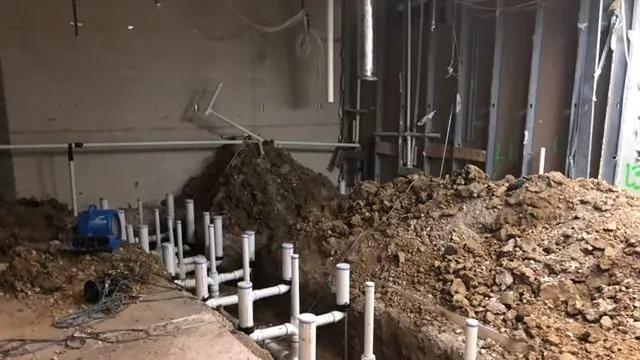
Commercial plumbing for restaurants, offices and apartments
Commercial buildings carry more fixtures, longer pipe runs and larger water heaters than a house, and a single failure often affects many people. A restaurant depends on kitchen drains and hot water. An office depends on restrooms. An apartment building depends on risers and shared drains that serve many units.
Commercial properties cluster in areas such as Crabtree Valley, North Hills and Glenwood, around campuses such as NC State and WakeMed, and in offices across the Triangle. The common thread is access and timing: plumbers need to know who can open the building, where the shutoffs are and which hours work for the tenants. Give that information on the call and the visit goes faster.
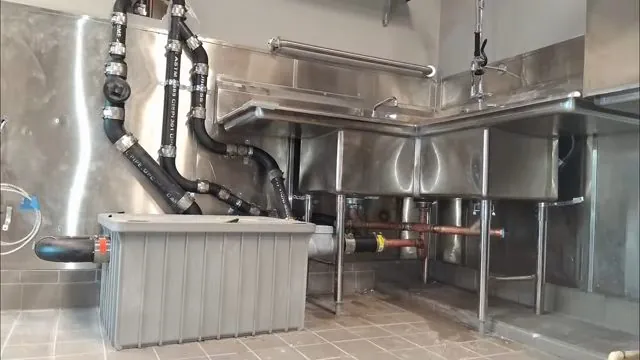
Restaurants and commercial kitchens: drains, grease and hot water
A busy kitchen sends grease, starch and food solids down its drains all day. Floor drains, prep sinks, dish machines and mop sinks all need to flow, and a slow floor drain is a warning that a line is narrowing. Hot water temperature and recovery matter for dish machines, so a failing heater is a business problem, not an inconvenience.
Plumbers service commercial kitchens with jetting for heavy lines, cameras for hidden problems and repairs to sinks, valves and gas connections for equipment. The clogged drains page explains snaking and jetting in more detail, and the heater installation and replacement page covers sizing and replacement. Kitchens also ask for filtration on ice machines and drinking water, including commercial reverse osmosis, and the water filtration page explains how those systems work.
| Property | Common calls | Tell dispatch |
|---|---|---|
| Restaurant or cafe | Slow floor drains, grease backups, no hot water | Which drains, and whether service is open |
| Office or retail | Restroom leaks, running toilets, low pressure | Floor, suite and access hours |
| Apartment building | Riser leaks, shared drain backups, water heaters | Number of units affected |
| Light industrial or cold storage | Floor drains, wash sinks, frozen or leaking lines | Equipment near the leak |
Business down because of a drain or leak?
Tell dispatch the property type and which fixtures are affected so the right plumber is sent.
Call (984) 237-6514Grease trap and interceptor service
The Sewer Use Ordinance of the City of Raleigh requires restaurants to install and maintain grease traps and interceptors. Maintenance means emptying the unit before it fills with grease, checking baffles and lids, and keeping a record. A full trap lets grease pass down the line toward the City sewer, and a backup on the building's side is the owner's to clear.
A plumber can inspect a trap, clear connected drains and flag a unit that is undersized or leaking. Grease hauling and disposal are handled by haulers, so ask the plumber how pumping will be scheduled. Questions about the City program go to the City directly, and the plumber should know which questions are theirs.
Maintenance contracts and scheduled commercial service
Scheduled service catches problems while they are small and the visit can be planned around business hours. A contract can cover quarterly drain jetting, annual water heater flushing, backflow assembly testing, grease trap checks and inspection of shutoffs and pressure regulators. The value is in the written schedule, not the sticker on the door.
Ask what a contract includes in writing: visit frequency, response time for emergencies, whether parts are billed separately and who keeps the service records. A property manager with many buildings may want one point of contact and a single set of records.
- List the equipment. Count heaters, grease traps, backflow assemblies and floor drains.
- Pick the schedule. Tie visits to slow seasons or off-hours.
- Set the response terms. Write down who answers after hours and how fast a plumber arrives.
- Keep the records. Store inspection reports and test results with the building file.
Need a contract or a one-time visit?
Describe the building, the equipment and your hours on (984) 237-6514.
Call (984) 237-6514Multifamily, apartment and light industrial buildings
In a multistory building, one leak can touch units above and below it. A riser leak, a shared stack backup or a failed shutoff on a floor can send water through several ceilings. Managers should know where each shutoff is and have them labeled, because the first minutes decide how many units are affected. A floor plan with valve locations marked, kept in the office and the mechanical room, saves time when a plumber arrives at night and the person who knows the building is not on site.
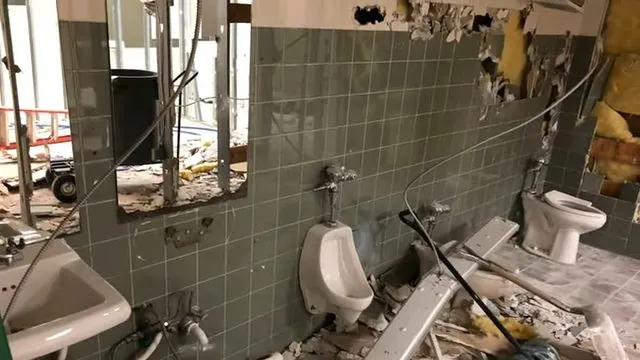
Light industrial and cold storage buildings add floor drains, wash sinks and long supply lines, and cold spaces risk frozen or cracked pipes. After a flood, drying and cleanup are covered on the water damage repair help page, and the source repair comes from a plumber.
Emergency repairs, leak detection and pipe, slab and sewer work
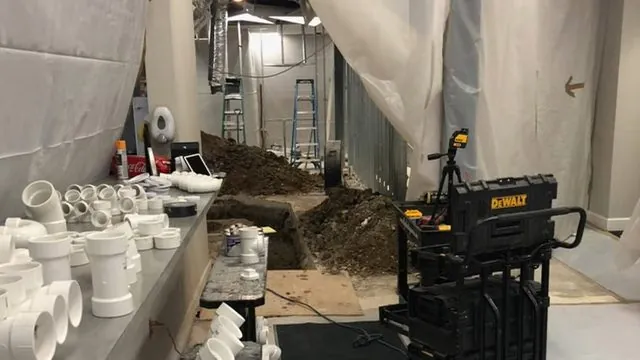
Emergency commercial calls include burst pipes, sewage backups, failed water heaters and gas smells. Where gas can be smelled, step outside first and phone 911 and the gas utility, as the gas line installation and repair page explains. For hidden leaks, water leak detection describes the tools, and slab leak repair and sewer repair and replacement cover repairs below the building.
For a sewer backup in a building, stop using fixtures on the lowest floor and keep customers away from wet areas. A camera inspection shows whether the blockage is in the building or beyond it. A blockage on the building's side of the City connection is the owner's, as the City describes for homes, and the same logic applies to owners of larger properties.
Permits and codes for larger commercial plumbing work
A commercial building permit or zoning approval is required for new structures, changes of use, additions, fit-up and alteration or repair that qualifies under the City development rules. The review checks work against the North Carolina State Building Code and the City's Unified Development Ordinance.
For plumbing, the practical question is who pulls the permit and whether the project qualifies. A tenant fit-up that moves restrooms or adds a kitchen is a different case from replacing a heater with the same size and type. Ask the plumber to confirm permit needs with the permit office for the address, and ask for inspection dates in writing. Owners of multifamily buildings should also ask who closes out the permit and who keeps the final inspection record, since a lender or buyer may ask for it later.
Does Raleigh require grease traps for restaurants?
The City says its Sewer Use Ordinance requires restaurants to install and maintain grease traps or interceptors. The City page does not give a sizing or pumping schedule.
Ask the City program and your plumber what applies to your kitchen.
What does a commercial plumbing maintenance contract cover?
Common items are drain jetting, heater flushing, backflow assembly testing, grease trap checks and shutoff inspection. Terms vary, so the written agreement matters.
Ask about after-hours response and whether parts are included.
Who is responsible for plumbing in an apartment building?
The lease and the building owner decide it. Owners usually handle shared risers, drains and water heaters, while tenants may handle fixtures inside a unit.
Read the lease or ask the property manager, then call a plumber for urgent leaks.
When does commercial plumbing work need a permit?
The City requires permits for new structures, changes of use, additions, fit-up and some alterations. Small like-for-like repairs may be treated differently.
Have the plumber confirm with the permit office for your address before work starts.
Get the building back to normal
Commercial service requests are booked by phone at any hour, weekends included.
Call (984) 237-6514- Licensed and insured plumbers
- Same-day service when available
- 24/7 emergency dispatch