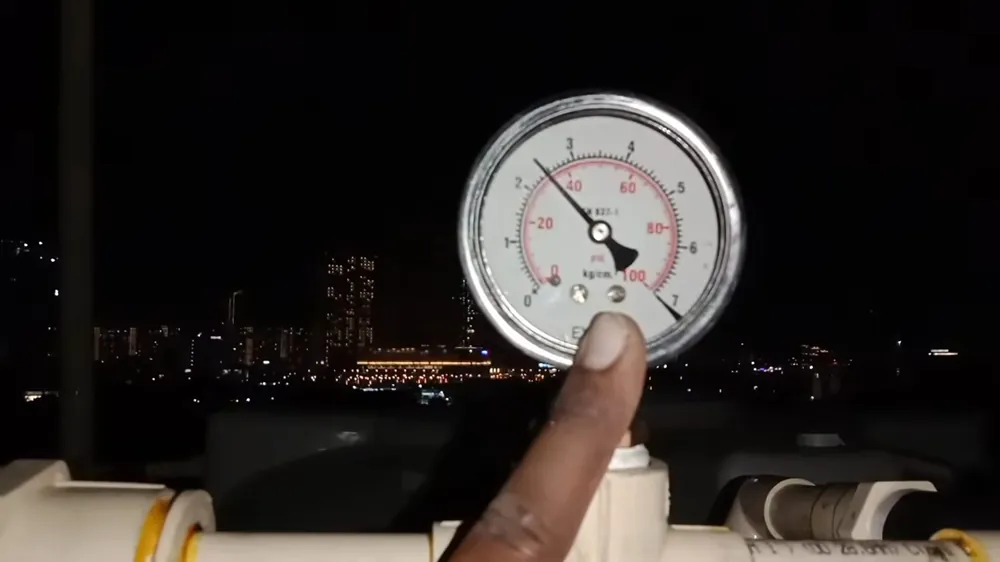
Tankless water heater problems, installs and upgrades in Raleigh: what "endless hot water" leaves out
The common belief is that a tankless heater gives endless hot water and never needs attention. It does give hot water for as long as the flow stays within its rating, but it still scales up, throws error codes and needs a plumber who knows gas, venting and water together.
- Licensed and insured plumbers
- Same-day service when available
- 24/7 emergency dispatch
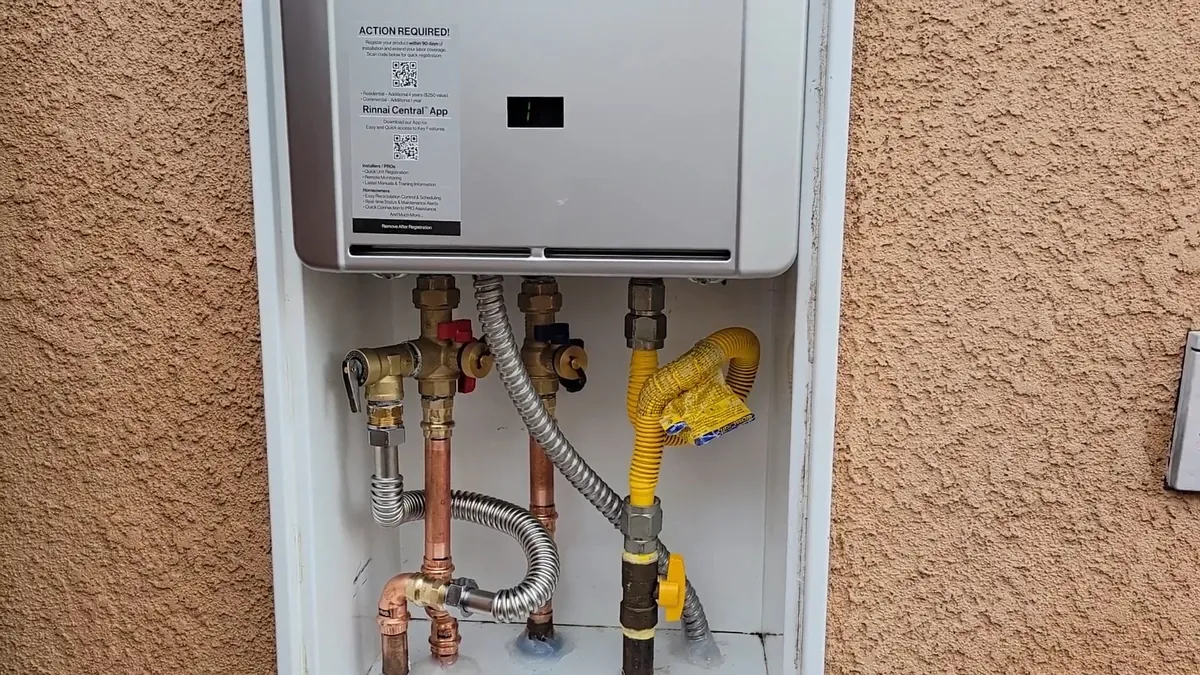
Why is my tankless water heater cold, lukewarm or showing an error?
Start with what changed. Cold water sandwiches, where hot water turns cold for a moment between two uses, are a normal quirk. A heater that stays cold, shuts off mid-shower or displays a code points to a fault the unit has detected, and the code is worth writing down before you call.
- Error code on the display, with the time it first appeared
- Flow: does the unit start only at a high flow rate, or stay off at a trickle
- Fuel: a gas unit needs gas, power for the control board and a clear vent
- Cold only at one fixture, which points to the fixture, not the heater
- Water quality: scale or a clogged inlet screen from sediment
Do not open the cabinet or clear a vent yourself. Gas, high-temperature exhaust and a live board are all behind that panel. A plumber reads the code against the manufacturer's list, checks gas pressure, the flame sensor, the vent and the heat exchanger, and then says whether it is a repair or a worn-out unit.
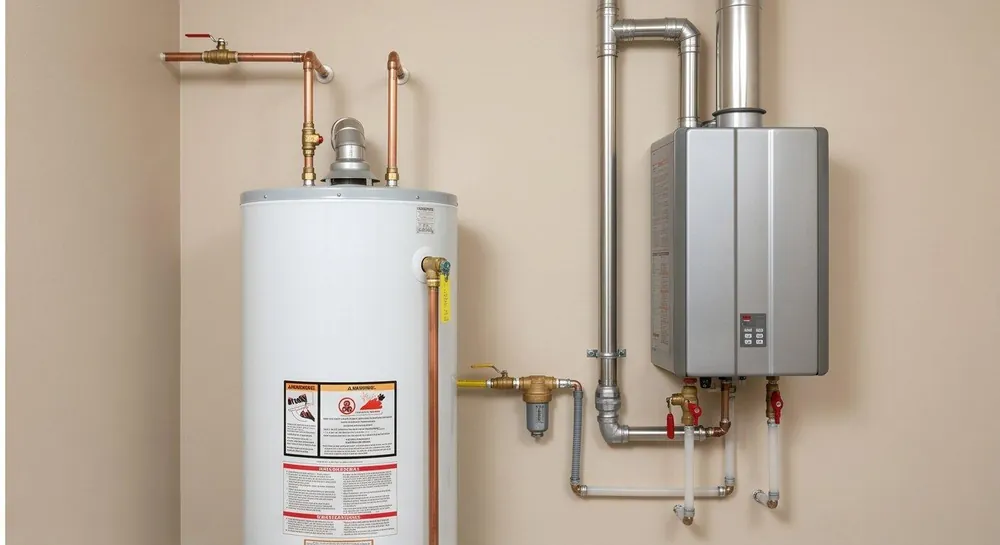
Tankless water heater installation: gas, venting and water together
A tankless install is a bigger job than a tank swap, because the unit needs far more gas or electrical capacity in a short burst. A gas model often needs a larger gas line than a tank heater, a stainless or plastic vent run to the outside, a condensate drain for high-efficiency models and a clear space around the cabinet. An electric model needs heavy circuits and may need a panel upgrade.
Ask the plumber to confirm these before pricing: the gas line size, the vent route, the electrical capacity, the condensate drain and the location. If the gas line has to grow, that work is covered on the gas line installation and repair page. Permits and inspections apply to the water, gas and electrical parts, and the permit office that serves your address decides what is needed; Wake County's own rules for the areas it serves list plumbing permits for this kind of replacement work.
The state plumbing code also matters in one useful way. The State Fire Marshal's office states that an expansion device is not required for a tankless heater that is not part of a closed-loop recirculation system, so a plumber should not add an expansion tank by habit. Ask why one is included in a quote.
Cold shower from a tankless heater?
Note the error code and get a plumber who can read it and fix it.
Call (984) 237-6514Replacement and conversion from a tank
Converting from a tank is the most common reason homeowners ask about tankless. The old tank, its flue and its connections come out, and a wall-hung unit goes in with new supply, vent and gas or electric connections. The closet or corner the tank occupied may then be empty and usable, but the new location needs wall space and clearances.
Replacing a tankless unit with another tankless unit is simpler, since vent, gas and water are in place. The plumber checks whether the old vent material suits the new model and whether the gas line still meets its demand.
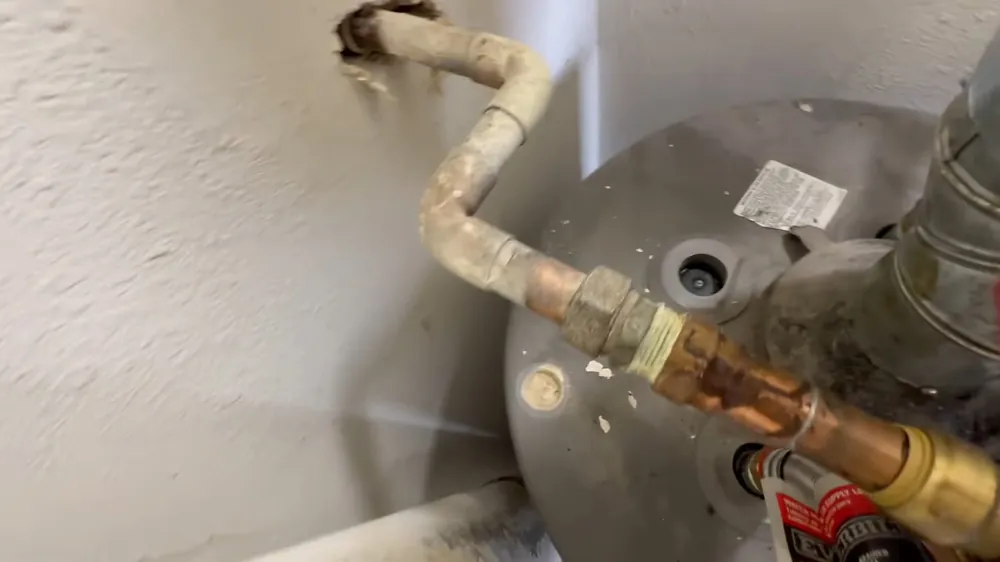
Flush, descale and maintenance for a tankless heater
Minerals in water coat the heat exchanger over time, narrowing the passages and making the unit work harder. Descaling is a routine flush: the plumber connects a pump and hoses, circulates a descaling solution through the unit and rinses it out, then cleans the inlet filter screen.
Scale is a smaller worry here than in many places, because the City's water reports put the local average at 1.47 grains per gallon, which it calls soft, and it says no softener should be required. That slows buildup, so the right schedule is the one in the manufacturer's manual, not a rushed annual rule. If you are tempted to add a softener to protect the heater, the water filtration page explains why that may not be needed here.
Between visits, watch the temperature at the tap and any new noise. Ask the plumber to record the flow rate and inlet temperature on each service so you can see a trend.
Thinking about going tankless?
Call (984) 237-6514 to talk through gas, venting and electrical needs before you buy a unit.
Call (984) 237-6514Brands, parts and fuel
Most tankless makers sell through plumbers and publish their own error code lists, so parts availability and manual support vary by brand. Ask the plumber whether they service the brand you own or are considering, and whether the warranty requires a licensed installer. A manual and a model plate photo taken now, while everything works, saves a phone call later when a code appears and the paperwork is nowhere to be found.
Gas versus electric comes down to what your house can supply. A gas unit needs the line, vent and combustion air; an electric unit needs panel capacity and a dedicated circuit. A plumber can say which is practical for your location and which would cost less to run.
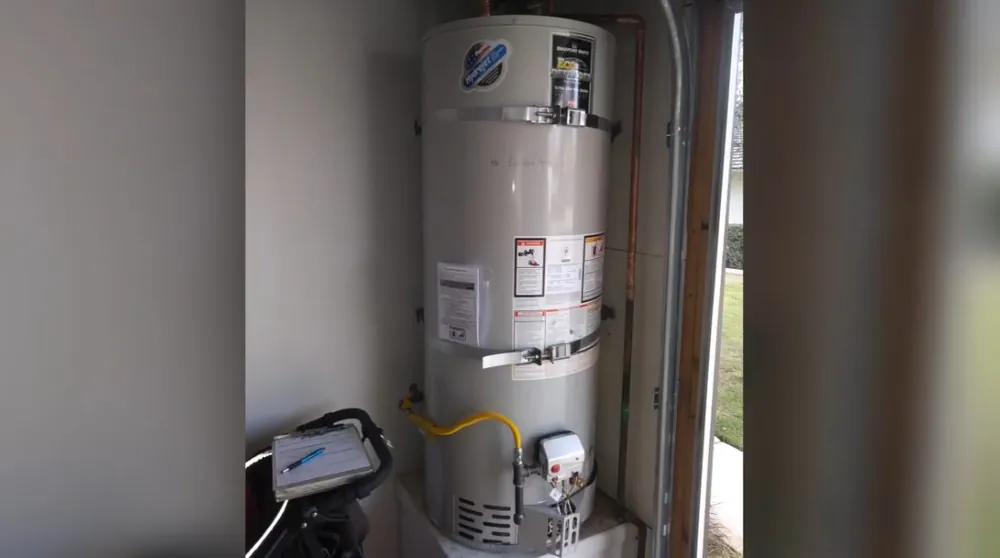
Tankless or tank: the short version
A tank stores hot water and recovers slowly; a tankless unit heats on demand and has a flow limit. For a household with many simultaneous uses, a tankless unit may need to be sized up or paired with a second unit. For a smaller household or tight space, it can fit well. Neither type is simply better, and the honest comparison is the one made on your gas line, your vent route and your demand.
Still undecided? See the heater replacement page for the tank side of the comparison, including sizing and the code items a tank needs. Whichever way you lean, ask each plumber to quote the same scope, with gas line, venting, permits and haul-away listed, so that two prices can actually be compared.
Tankless questions
Quick answers for the choices that come up around on-demand heaters.
Is a tankless water heater better than a tank?
It is better for some houses and not others. Tankless saves floor space and does not run out until demand exceeds its flow rating, but it costs more to install and needs gas or electric capacity most tank setups do not.
Think of the decision as one of fit: household size, available gas or panel capacity, and where the unit can go.
Can I replace my tank water heater with a tankless one?
Yes, in most houses, but the conversion is bigger than the swap sounds. Gas lines may need upsizing, a vent has to reach outside, and electric models may need a panel upgrade.
The quote should list the gas line, vent, electrical and permit items.
Does a tankless heater need to be flushed or descaled?
Yes, on the schedule the manufacturer gives, because scale on the heat exchanger cuts flow and efficiency. A flush uses a pump and a descaling solution; ask how long it will take on your model.
Raleigh water is soft, so buildup may come slowly, but the inlet screen and the exchanger are still worth checking.
Which is better in Raleigh, tankless or tank?
There is no local rule that favors either. What matters is your house: the gas line, the vent route, the panel and how many people use hot water at once.
A plumber can look at those and tell you whether a unit on the wall or a tank in the closet suits you better.
Get your tankless heater working
Dispatch stays open around the clock for the cold mornings, too.
Call (984) 237-6514- Licensed and insured plumbers
- Same-day service when available
- 24/7 emergency dispatch