Plumbing Questions Raleigh Homeowners Ask
Short, direct answers to the questions that come up on plumbing calls in Raleigh and the surrounding towns. Each answer ends with the next step.
- Licensed and insured plumbers
- Same-day service when available
- 24/7 emergency dispatch
Before, during and after the call
These answers cover the dispatch call itself, the odd hours, and the minutes before a plumber arrives, which is when most of the damage-limiting happens.
What happens when you call the dispatch line, and what will you be asked?
A dispatcher answers and starts with the street address and ZIP, since the location determines which plumber is closest. Next come the symptoms: where the water or smell is, whether a shutoff is already closed and whether anyone is in danger. A callback number is taken in case the line drops. The dispatcher then books a plumber serving your area and explains what happens next. Arrival times are not promised on this site, since where each plumber is and how busy the day is keep shifting. The make and rough age of a water heater, or a quick photo, helps but is not required.
What changes when the call comes in after midnight or on a holiday?
The number is the same and so is the dispatcher. What differs is the supply side: parts counters keep business hours, so an overnight visit often stops the damage, caps or bypasses a failed section and leaves the exact replacement part for daylight. This site publishes no after-hours pricing. Ask the dispatcher before agreeing to the visit whether any extra charge applies, and get the answer in plain words. That one question settles the most common worry people raise about night calls.
What should you do while waiting for the plumber to arrive?
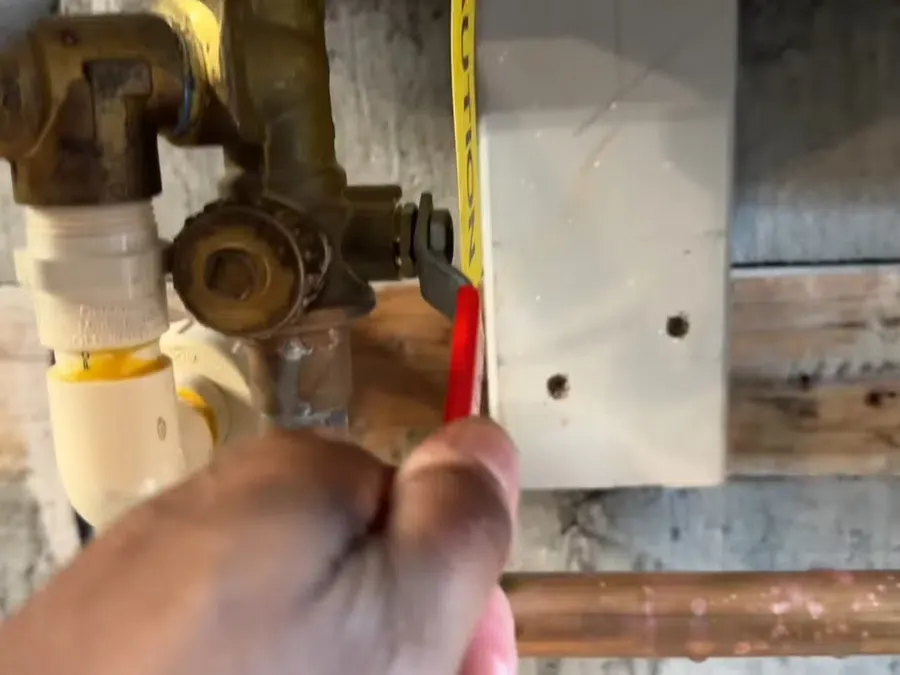
Picture a supply line that has split under a bathroom sink at 11 p.m. Close the small valve under the sink if it turns, and if it does not, close the main shutoff and open the lowest faucet to relieve pressure. Move rugs and electronics out of the wet area and photograph the damage for a later insurance claim. Stay away from outlets and the electrical panel if water is near them, and say so on the call. A gas smell is different: get everyone out, then phone the gas company or 911 from the yard.
Telling problems apart and getting ready for cold weather
A wet floor, a slow drain and a weak shower look alike at first. These answers separate them and cover the seasonal steps that matter for Raleigh homes.
Is it a leak, a clog or a pressure problem?
Sort it with three quick tests. First, a leak shows up as a water meter dial that keeps moving with every fixture off, a bill that jumps, or a damp, warm or discolored patch. Second, a clog is local: one sink or tub drains slowly or gurgles while the rest work, and when every drain in the house slows at once the main line is the suspect. Third, a pressure problem is weak flow at every faucet together, or banging and hissing when a valve closes. A gauge screwed onto an outdoor hose bib gives a reading. One caution: a warm floor spot or the sound of running water in a quiet house points to the finding hidden leaks page, not a drain cleaner.
What is a good fall plumbing checklist for a Raleigh house?
The City of Raleigh publishes a winter pipe-prep checklist, and fall is the season to do it, before the first hard freeze. Start by finding the main shutoff and turning it once to confirm it moves. Disconnect garden hoses and look at outdoor faucets for drips. Insulate exposed pipes in a garage, crawl space or exterior wall, as the City advises. Look at the water heater for rust at the base or a puddle, and at the shutoff valves under sinks and toilets for crust or weeping. Anything that drips now will fail faster once the temperature drops.
How do you protect pipes during a cold snap in Raleigh?
The December 2022 deep freeze is the local reminder: ABC11 reported frozen pipes across the Triangle and plumbers stretched thin. City of Raleigh guidance is to insulate exposed pipes, let a thin stream of water run during the coldest hours, and keep the house heated above 55 degrees Fahrenheit, as the City customer newsletter of January 2023 put it. If a pipe does freeze, close the main shutoff, open the affected faucet, warm the pipe gently with air from a hair dryer and never use an open flame. A pipe that has split needs a plumber before the water is turned back on.
Water spreading right now?
Close the shutoff if you can reach it safely and call. The dispatcher takes the address first.
Call (984) 237-6514Who owns the pipe, who inspects the work and when a permit applies
Ownership decides who pays and who calls. The answers draw on City, Town and County pages read in November 2026, and the address decides which one applies.
Who is responsible for which pipe: the homeowner, the utility or the HOA?
Inside the Raleigh Water system, which also covers Garner and Wake Forest, the City looks after water lines as far as the property line, and the customer owns the stretch beyond it to the house. On sewer, ownership runs from the foundation out to the connection with the City main, all on the homeowner's side, and the City can camera the main on request and renews a broken portion in the right-of-way. Cary runs its own utility and clears main and lateral blockages up to the cleanout, with the owner responsible between the cleanout and the house. Apex cameras its main and says the private sewer service line is not the Town's. Townhome and HOA shared lines depend on the recorded documents, so read those first.
Who checks that plumbing work meets code?
Plumbing work in North Carolina is measured against the NC Plumbing Code, part of the State Building Code, and checked by the local permit and inspections office that has jurisdiction. Wake County says a plumbing permit is required for installation, extension, relocation, replacement or general repair in the areas it serves. Apex and Garner run their own inspections offices, and Raleigh has its own permit office. Plumbing contractors in the state are licensed under G.S. Chapter 87, Article 2. Before work begins, find out which person pulls the permit and which office sends the inspector.
Is a permit needed to replace a water heater in Raleigh?
Picture a tank that splits on a Saturday and a replacement booked for Monday. The honest answer is that it depends on the address. Wake County says water heater replacement has an exemption for one- and two-family dwellings under conditions set in G.S. 160A-417 and 153A-357, but that applies where Wake County is the permit office. Raleigh's own rule could not be confirmed from a City source for this page, so no claim is made. Have the plumber phone whichever permit office handles your street, and put what they hear in writing on the estimate. The heater replacement page covers the rest of the swap.
Choosing the job, the visit and the pipe
Repair or replace, residential or commercial, and what an older house is likely to have behind its walls.
When is a request residential, and when does it count as commercial?
Houses, townhomes and condos fall on the residential side. Restaurants, offices, retail units and apartment buildings with shared systems are commercial work, where the fixtures, grease handling and permit path differ. Per the City of Raleigh, commercial properties need a building permit or zoning approval for new structures, a change of use, additions, fit-ups and alterations or repairs that qualify, and that the review checks the work against the NC State Building Code. The business plumbing page lists what to tell the dispatcher about the property type.
Should a failing fixture or line be repaired or replaced?
Repair fits when one part has failed and the rest is sound: a thermostat, a valve, a wax ring, a single pinhole in an accessible pipe. Replacement fits when the failure is the body of the equipment, such as a tank that leaks from the shell, or when the same system keeps failing in new places. Sewer lines are decided by a camera inspection, which separates a spot repair from lining or full replacement. Ask for both options in writing with what each covers. The water heater fixes and sewer repair pages go through the signs for each.
What does a plumbing maintenance visit usually include?
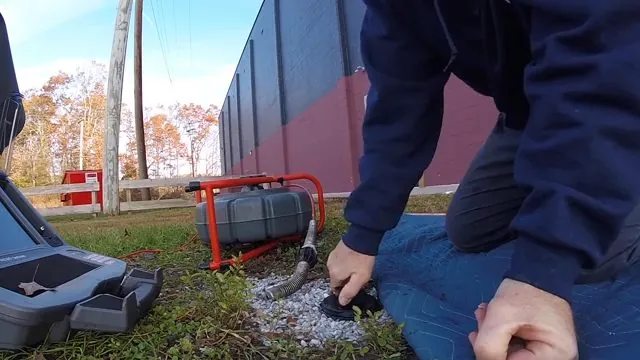
A visit usually walks the whole system once, so small problems are found before they flood a floor. That means checking shutoff valves and supply lines under fixtures, looking at the water heater and its relief valve, testing drain flow at each fixture, and reading water pressure with a gauge. A camera run on the main sewer line is an add-on where backups have happened. The dispatcher can say what a given visit covers and whether any parts are billed separately.
How old are homes around Raleigh, and what does that say about the pipes?
Housing age varies by area. The census estimates behind this page put the median home in Cary at 1999, in Wake Forest at 2007 and in Apex at 2008, while West Raleigh near Ridgewood Shopping Center, which opened in 1951, has mid-century streets. Age is a clue, not proof, since repairs and remodels swap pipe materials. To find out what a house has, look where the line enters at the meter or water heater: copper is reddish-brown, PEX is flexible plastic, and galvanized steel is gray with threaded fittings and attracts a magnet. Confirm the material before planning work, and before a plumber quotes a repipe.
Questions this page does not answer
Phone the dispatcher, say what is happening and give your ZIP, and a plumber serving your area will be lined up.
Call (984) 237-6514- Licensed and insured plumbers
- Same-day service when available
- 24/7 emergency dispatch