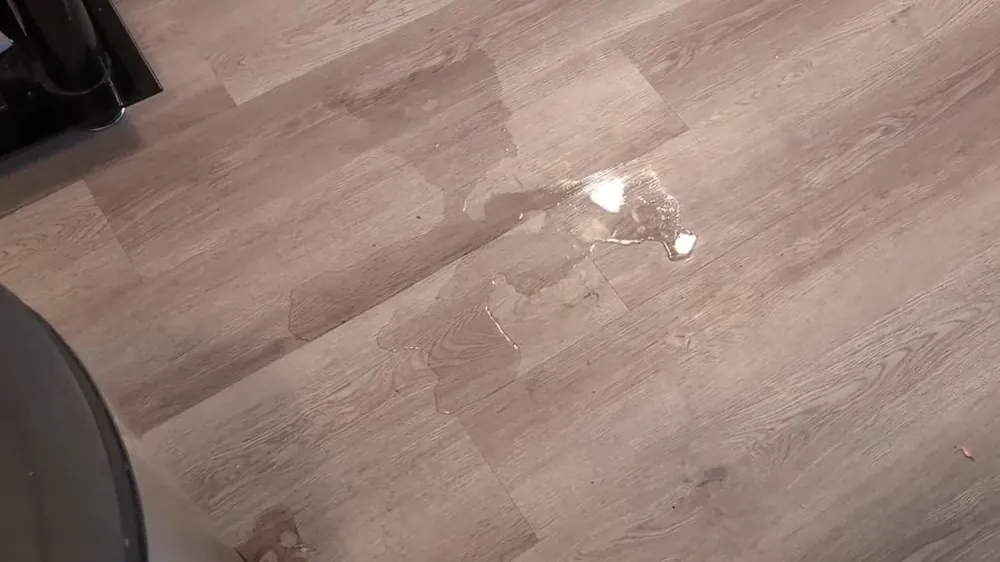
Flooded floors or soaked walls? Emergency water removal and drying for Raleigh homes
The first decision after a leak or flood is whether to start drying now or wait for an insurance adjuster to look first. Waiting lets water soak into drywall, padding and framing, so the usual advice is to stop the source, take photos and begin removal at once.
- Licensed and insured plumbers
- Same-day service when available
- 24/7 emergency dispatch
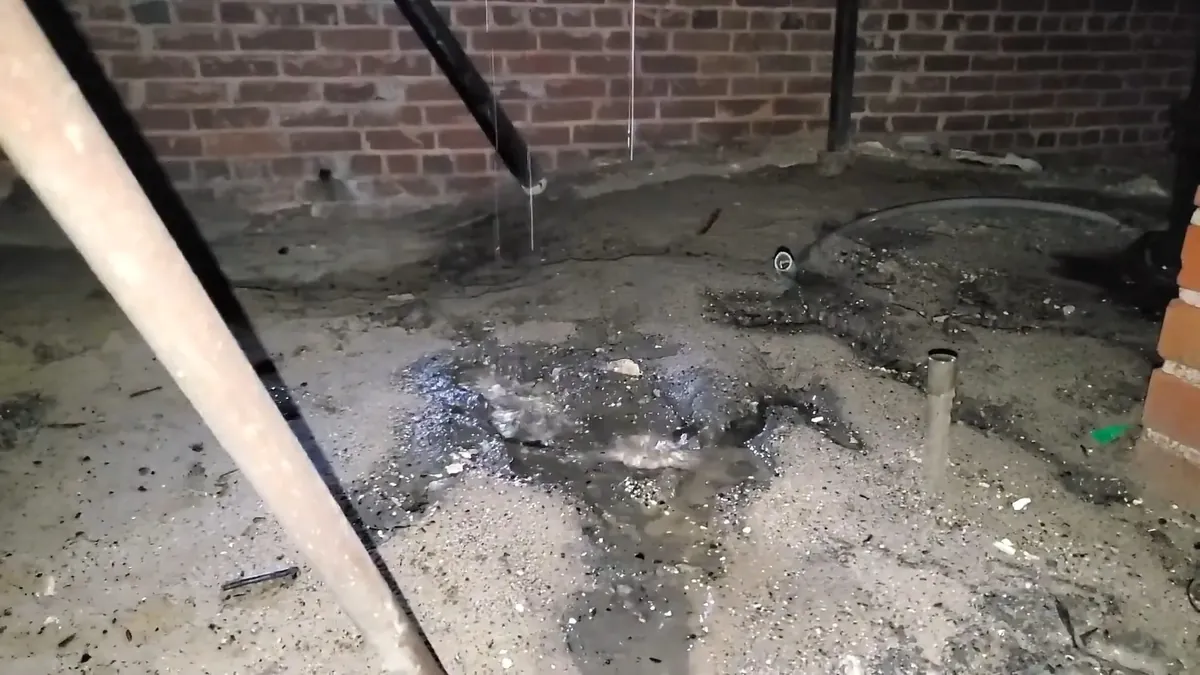
Emergency water extraction: getting standing water out first
Extraction, which the trade also calls water mitigation, means pulling standing water off floors with pumps and extraction wands before drying equipment goes in. The sooner the water is gone, the less moisture reaches subfloors, cabinets and wall bases. A crew first checks for electrical hazards, because water and live circuits do not mix, and shuts off power to wet areas if that can be done from a dry spot.
Drying follows extraction. Air movers push air across wet surfaces, and dehumidifiers pull moisture out of the air so it does not settle on cool walls. Equipment is placed by moisture readings, not by guesswork, and it runs for days. Carpet and padding are judged on the spot: clean-water carpet can sometimes be lifted and dried, while pad is often discarded, and hardwood, laminate and vinyl each react differently to trapped water. Hardwood that cups after a washer valve break or an air conditioner condensate leak may flatten again if it dries slowly, or may need replacing if it has been wet for weeks. Rental air movers and dehumidifiers can handle a small spill, but a wet wall or subfloor needs readings to know when drying is finished.
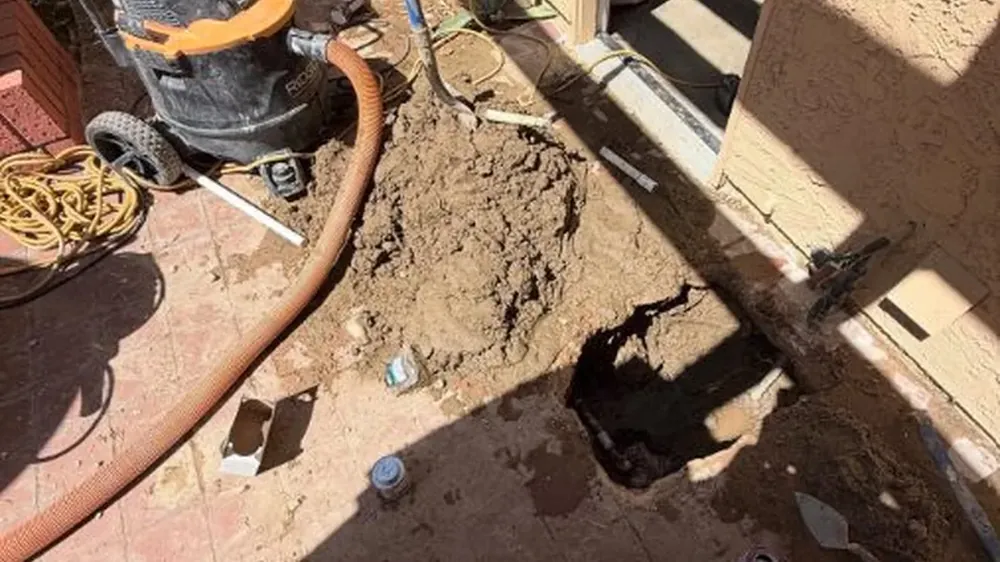
Flooded basement, crawl space or a whole-house flood
Below-grade water behaves differently from a kitchen spill. A basement or crawl space can hold water against walls and insulation long after the surface looks dry, and a crawl space can send moisture up into floor framing. Whole-house floods, from a failed supply line or a washing machine hose, wet several rooms at once and call for a plan before the first fan is set.
Rain, river or storm water entering from outside is a flood in insurance terms. The NC Department of Insurance says homeowners policies do not cover flood or rising water, and that flood coverage is a separate policy. A burst pipe inside the house or rain coming through a damaged roof are examples it lists as covered by the homeowners policy, so the cause affects who pays.
If water keeps returning after the cleanup, the lasting fix is outside the house. Grading, gutters and foundation drainage are separate trades, and a foundation or waterproofing inspector, not a restoration crew, answers whether the structure needs work. The drain clearing page covers sump pumps for homes with basement-level baths.
Sewage backup cleanup: contaminated water is a different job
Water that comes up from a floor drain, toilet or tub is mixed with waste, and it is handled differently from clean supply water. Porous materials it touches, such as carpet, pad and drywall, are usually removed rather than dried, and hard surfaces are cleaned and treated. Keep children, pets and anyone with health concerns out of the area.
Finding the cause matters. The City of Raleigh states that a blockage between your house and the City sewer main is the owner's responsibility, and that blockages in the City main are handled by Raleigh Water. A camera inspection by a plumber shows which side the problem sits on. The snaking and jetting and sewer lateral repair pages explain clearing and repair. The City also notes that insurance may not cover sewer backups, so read your own policy before work begins.
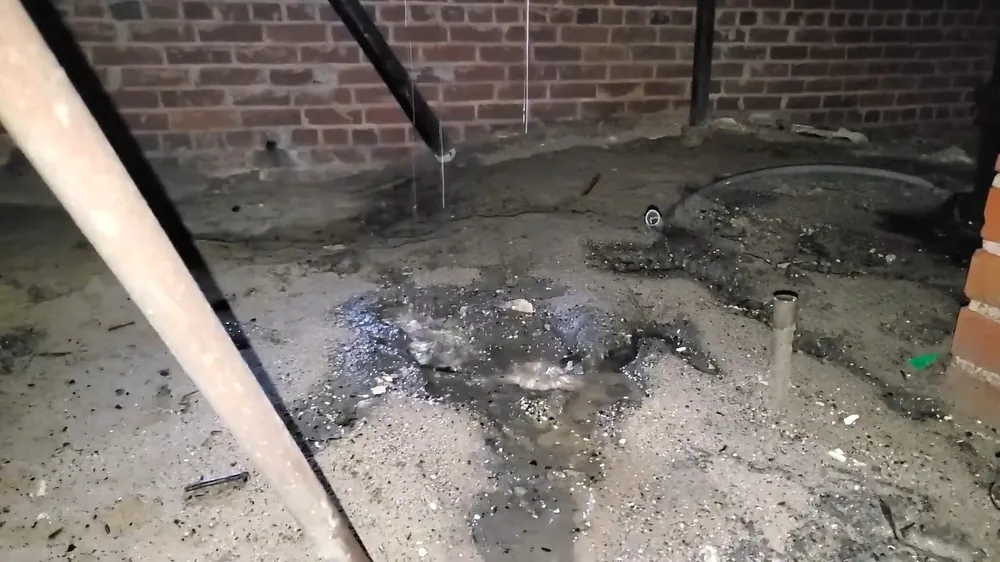
Water on the floor right now?
Extraction starts on the water damage line, (984) 231-2590, at any hour and say where the water came from and how many rooms are wet.
Call (984) 237-6514Burst pipe and plumbing leak damage
A burst or leaking pipe is the most common cause of interior water damage, and the sequence matters: stop the water, repair the pipe, then dry. Close the main valve, run the lowest tap until the pipes empty, and call a plumber who can find and fix the failure before the restoration work covers it up. Slow leaks inside walls, under slabs and behind fixtures can run for weeks before a stain appears, and leak location work explains how they are located. Slab-specific cases are handled on the slab leak help page.
Plumbing is not the only source. Roof leaks, a ceiling stain under an air conditioner drain pan, a condensate line, or a broken irrigation line near the foundation can all wet a home with water that is not on the plumbing system. A crawl space flooded by a failed irrigation backflow device and a closet carpet soaked by a neighbor's sprinkler are both examples. Tell the crew where you think the water came from, because the repair may belong to a roofer or an HVAC technician. If the cause is a supply failure, the pages on water service line work, pipe replacement and tank water heater repair describe those repairs.
Damage assessment and major loss inspection
Assessment starts with a walk-through and moisture readings on floors, wall bases and ceilings, usually with a meter and sometimes a thermal camera. The results become a map of what is wet, what is damp and what is dry, and that map drives the scope of work and the equipment list.
Large losses, such as multi-room floods, fire hose water, or storm water that reaches framing, deserve a written scope and a photo record before demolition starts. Condo, apartment and commercial losses add a second layer: the association, landlord or property manager may need to be notified, and a neighbor's unit may be involved. A vacant home needs the same assessment, with extra photos, because a loss that sat unnoticed is harder to date for an insurer. Commercial properties are covered further on the commercial plumbing page.
What happens on a water damage job, step by step
- Stop the source. The water is shut off or the leak is isolated so no more enters the building.
- Assess and photograph. Moisture readings and photos record the starting point for the work and for any claim.
- Extract standing water. Pumps and wands remove water from floors, then wet porous materials are removed or lifted.
- Dry the structure. Air movers and dehumidifiers run, and readings are taken each day until materials reach dry levels.
- Clean and treat. Surfaces are cleaned, and contaminated areas are treated according to the type of water.
- Rebuild. Drywall, flooring and trim are replaced after the structure reads dry.
| Stage | What you should see | Ask |
|---|---|---|
| Extraction | Standing water gone within hours | Who is pulling pad and carpet |
| Drying | Equipment running, daily readings | When will readings be shared |
| Cleaning | Surfaces wiped and treated | What products are used |
| Rebuild | New materials after dry readings | Who does the rebuild, in writing |
Need the source found and fixed?
Plumbers reached at (984) 237-6514 can stop and repair the supply or drain problem. For drying and cleanup, use the water damage line (984) 231-2590.
Call (984) 237-6514Mold remediation and removal after water damage
Mold can grow on wet materials that stay wet. Federal guidance from FEMA and the EPA says to dry a building and its contents within 24 to 48 hours when you can, and to remove wet porous items that cannot be cleaned and dried in that time. The EPA calls 48 hours a guideline and not a rule, so quick action matters more than a clock.
Remediation removes what cannot be saved, such as wet drywall, insulation and carpet, contains the area so dust does not spread, and cleans hard surfaces. The work is not complete until the moisture source is fixed. No promise can be made that mold will not return, and a written scope should state what will be removed, how the area will be contained and what a final check will include. Typical spots are the cabinet under a leaking sink, a closet beside an air handler and the wall under basement stairs, where a musty odor is often the first sign.
Mold testing, inspection and assessment
A visual inspection and moisture readings often tell more than a lab sample, because mold is common in air and soil, and a sample result without a visible or moisture source can be hard to interpret. Assessment looks at where moisture entered, which materials stayed wet and whether hidden areas, such as wall cavities or the back of cabinets, need to be opened.
If testing is done, ask who collects the samples, what they will be compared with and who will explain the result. An assessor who also sells the removal work has a built-in interest in the outcome, so many owners ask for the inspection and the cleanup to be quoted separately. A written scope should name rooms, materials and the final steps.
Insurance claims and loss documentation
The NC Department of Insurance advises reporting a loss to your insurance agent or company promptly and documenting damage before any temporary repairs. Take wide photos and close photos of every wet surface, keep damaged items until the adjuster approves disposal, and ask the crew for a dated moisture log and scope.
| Cause of water | Homeowners policy | What to do |
|---|---|---|
| Burst or leaking pipe in the house | Often covered, depending on the policy | Report quickly, keep the failed part |
| Rain through a damaged roof | Often covered, depending on the policy | Photograph the roof and ceiling |
| Flood or rising water | Not covered; flood insurance is separate | Ask your agent about a flood policy |
| Sewer or drain backup | May not be covered | Read the policy and ask about endorsements |
These are general points from the Department of Insurance and the City, not a coverage opinion. Your agent and policy decide what is paid.
Does homeowners insurance pay for water damage?
It depends on the cause. A sudden pipe failure or rain through a damaged roof is often covered, while flood and rising water are not, according to the NC Department of Insurance.
Report the loss promptly, photograph everything and ask your agent how your policy treats the cause.
How long do air movers and dehumidifiers run?
Drying usually takes several days, and the equipment stays until moisture readings show materials have returned to dry levels. Thick materials, subfloors and wall cavities take the longest.
Ask for the readings each day so the end date is based on numbers.
Can wet carpet and flooring be saved?
Carpet that was soaked with clean water can sometimes be lifted and dried, while the pad is usually replaced. Hardwood, laminate and vinyl can trap moisture beneath them and may need to come up.
Contaminated water changes the answer, because porous materials it touches are usually discarded.
Who handles a leak that did not come from plumbing?
A roof, an air conditioner drain or an irrigation line has its own trade. A plumber can confirm the plumbing is not the source, and the repair then goes to the right specialist.
Drying still has to happen right away, whatever the source.
Start the drying today
Water damage gets worse by the hour. The water damage line, (984) 231-2590, is answered any hour. Plumbing problems without water damage are on the Plumbing home page.
Call (984) 237-6514- Licensed and insured plumbers
- Same-day service when available
- 24/7 emergency dispatch