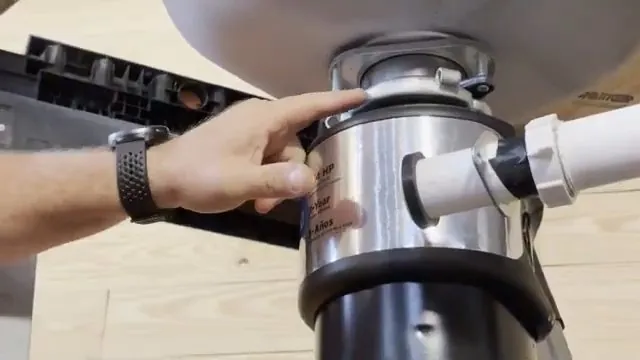
Disposal humming, jammed or leaking? Kitchen repair and replacement for Raleigh homes
Call about a disposal and the dispatcher will ask a few plain questions: does it hum, stay silent or leak, and does the sink drain at all. Those answers decide whether a plumber arrives with a hex key and a reset in mind, or with a new unit and fittings.
- Licensed and insured plumbers
- Same-day service when available
- 24/7 emergency dispatch
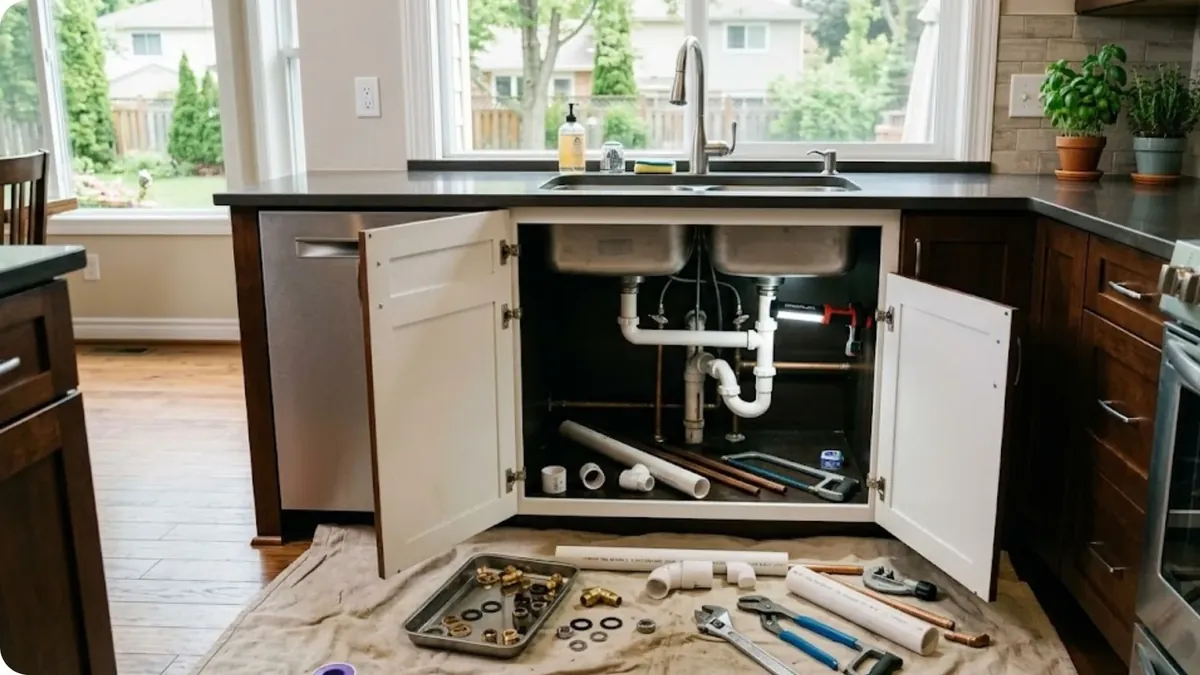
Fix a garbage disposal that hums, stalls or will not start
A disposal that hums but does not spin is jammed. The motor is trying to turn a blade that something has locked, and it will trip its overload cutoff if left running. Turning the unit off at the wall switch, and unplugging it or switching off its breaker, is the first move. Never put a hand into the opening, even when it is off.
Many units have a socket in the center of the underside where a hex wrench rotates the blades back and forth by hand. Check the manual for the right size and spot. Once the blades turn freely, a red reset button near the bottom restores power that the overload cut. If the unit stays silent after a reset, the cause is the switch, the outlet or a burned-out motor, and that points toward replacement.
- Cut the power. Switch the unit off and unplug it, or turn off the breaker for the kitchen circuit.
- Look from above with a flashlight. Use tongs or pliers to lift out a bottle cap, a fruit pit or a piece of utensil.
- Turn the blades by hand. Work the hex wrench from below until the movement feels loose.
- Press the reset button. Wait a few minutes first, then restore power and test with cold water running.
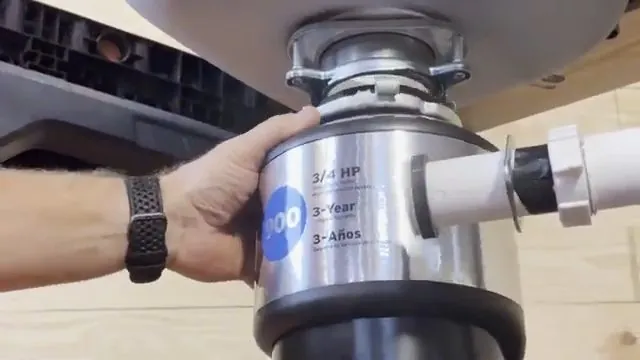
Garbage disposal replacement: when is a new unit the better choice?
Replace the unit when the motor will not start after a reset, when the housing is cracked or rusted through, or when leaks keep returning at the seams. A unit that jams every few weeks with nothing visible is also worn, since its blades or bearings have loosened.
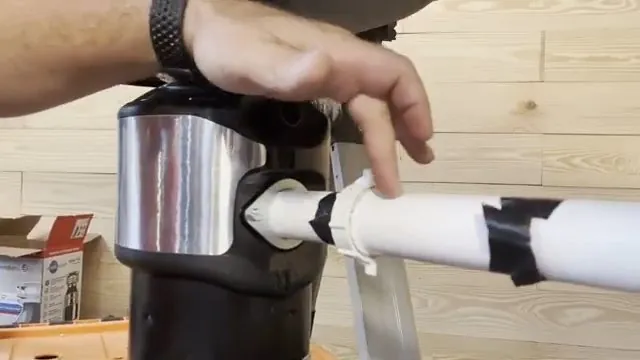
Installation reuses the sink flange when it is sound and the mounting ring when it fits. A plumber removes the old unit, cleans the sink opening, sets the new mount with plumber's putty or a gasket, connects the discharge tube to the trap, and reconnects the dishwasher drain. A knockout plug in the new unit's dishwasher inlet has to be removed before the dishwasher hose goes on, and forgetting that step causes a dishwasher that never drains.
| Choice | Fits when | Watch for |
|---|---|---|
| Reset and clear | Hums but blades turn by hand | Repeated jams point to wear |
| Repair a leak | Wet only at a gasket or hose joint | Cracks in the housing mean replace |
| Replace the unit | No power after reset, rust or a cracked case | Match the mount and dishwasher inlet |
| Skip the disposal | Sink drains, but you rarely use it | Cap the dishwasher drain port correctly |
Disposal stuck or silent?
Describe what it does when you press the switch. A plumber can tell reset from replacement.
Call (984) 237-6514Leaking disposal: tell the source apart before buying parts
Where the water appears tells you what failed. Water at the sink rim means the flange seal or mounting ring has loosened. Water at the side points to the dishwasher hose or the discharge tube connection. A drip from the bottom of the housing usually means the internal seal has failed, and that unit has to be replaced.
Run the sink with a stopper, then run the dishwasher separately, and keep a dry towel handy to find which one produces the drip. Photos of the leak and the label on the unit help the plumber arrive with the right gasket or a matching replacement. A sink cabinet that has been wet for weeks may also need attention, so the faucet and toilet repair page covers supply lines and the vanity side.
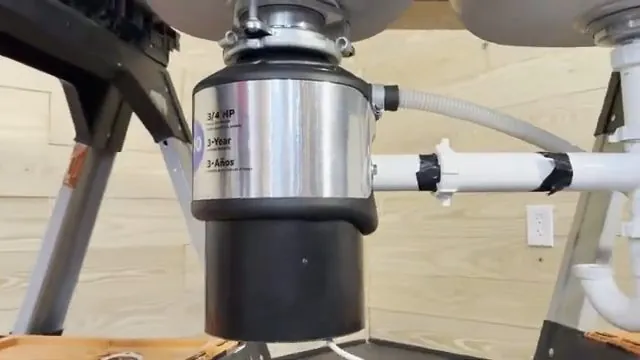
Clogged or backed-up sink: the disposal or the drain beyond it?
If water rises in the sink and stays there, the cause is either packed food in the disposal chamber or a clog further down the line. Run the disposal with cold water for a short time. If the sink still holds water, the problem is in the trap or the kitchen branch drain, where grease and starch collect.
The utility in Raleigh asks residents to keep cooking grease out of the sink, bagging it for the garbage, and to keep food scraps out of the sewer. That guidance fits kitchens well: a disposal handles small soft scraps, but grease, rice, pasta, coffee grounds and fibrous peels build up in the line. When a kitchen drain keeps backing up, a plumber clears the line with a cable or jetting, as described on the drain clearing page, and may camera it to look for a belly or a root intrusion.
Dishwasher connection and drain: where the two meet
The dishwasher drain hose joins the disposal at a small inlet near the top, or goes to an air gap or a looped hose when no disposal is installed. If the dishwasher leaves standing water after a cycle, the inlet may still hold its knockout plug, or the hose may be kinked or clogged with food.
When a disposal is removed and not replaced, the dishwasher drain has to be reconnected to the tailpiece so it can drain, and the old disposal opening has to be closed. A plumber can do this while changing the sink strainer. Ask for the drain loop to be confirmed before the visit ends, and run a full dishwasher cycle with the plumber present to prove it drains.
Before the plumber arrives, and what a disposal should never take
Turn the disposal off, and leave it off. Remove standing water from the sink with a cup if the sink is full, so the plumber can see the unit. Move cleaning supplies out of the cabinet and keep the area dry. Note whether the problem began after a certain item went down the drain, because that clue speeds the diagnosis.
Disposals are built for scraps, not bones, stringy vegetables or grease. Running cold water before, during and after use helps solid waste travel down the line. Septic systems have their own limits, so a home that is not on City sewer should ask the plumber whether a disposal suits that system at all.
Why is my garbage disposal humming and not spinning?
A hum without movement means the motor is energized but the blades are stuck. A hard object or a seized bearing is the usual cause.
Turn off the power and loosen the blades by hand. If they will not turn, the unit needs replacement.
How do I clear a jammed or stuck disposal?
Cut the power, look into the chamber with a light, and lift out any foreign object with tongs. Then work the blades back and forth with a hex wrench from below and press the reset button.
If it jams again within weeks, the unit is wearing out.
Who fixes garbage disposals?
A plumber repairs and replaces disposals because the work touches the sink drain, the trap and the dishwasher connection. An electrician is needed only when the circuit or switch itself fails.
Mention the unit brand on the call so the right parts come along.
What if my disposal is clogged or backed up?
If the sink holds water, the clog is probably past the disposal in the trap or branch drain. Avoid chemical drain cleaners, which can damage the unit and splash.
A plumber can clear the line and tell whether the disposal chamber is also packed.
Get the disposal working
Kitchen calls are booked at all hours, so a stuck disposal need not wait for Monday.
Call (984) 237-6514- Licensed and insured plumbers
- Same-day service when available
- 24/7 emergency dispatch